Human Resource (HR) is not accepted as a partner in growth in owner-driven Indian apparel industry. This contention has been at the centre of discussion at various seminars and discussions, of late. Many HR professionals are asking critical questions – What is stopping the owners from doing so? Do they think that the HR Head/HR Department is not strong enough to become a tool/a partner for growth? How this culture will change? Equally important question is whether the HR Departments have the right/freedom in their company to become a part of decision making/policy making process? Apparel Online spoke to some of the HR professionals of apparel export units to get the answers to these questions…
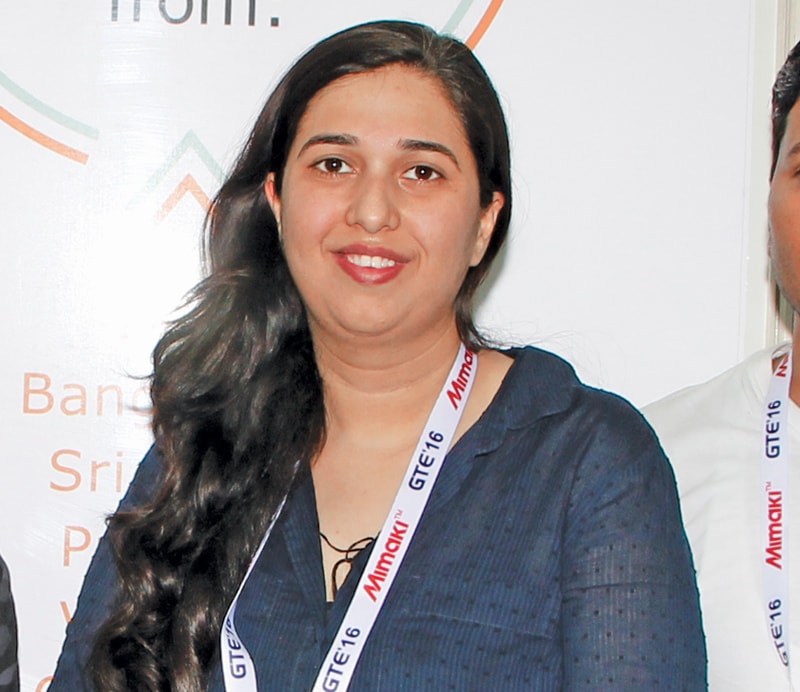
The cost of maintaining an HR Department and its disconnection from the ‘real’ work of the organization due to its late emergence in apparel factories as compared to other operations are some of the reasons that owners don’t seem enthusiastic about maintaining a strong HR team. “Not only apparel but most industries’ owners are not taking HR as a tool or a partner for organisational growth. HR is a costly affair, and HR activities appear to be often disconnected from the real work of the company. One has to understand that HR cannot transform alone, as the primary responsibilities is of owners and managers,” says Neha Singh, Team Leader – HR, Richa Industries Limited, Faridabad. Apart from textiles, the company has strong presence in verticals like engineering procurement construction and pre-engineered buildings.
Sarthar Khan Y, HR & Compliance Manager, International Trading Company, Tirupur takes the lack of importance of the HR Department as an awareness issue. “Roll of the HR Department is lesser known in the smaller and medium sectors of the apparel industry. A modern and progressive outlook by the owner of the apparel factory will change the perception of the role,” he says. Tania, Senior Manager – HR, Orient Craft, Gurgaon believes that practices of HRD vary from organization to organization depending on their level of empowerment in the system. “With more skilful and knowledgeable HR professionals joining the industry, the management of many progressive companies has accepted HR as a partner for strategic growth. Even the management also invests a lot on the overall growth and development of HR professionals in the form of trainings, workshops and seminars,” she says.
HR fraternity believes that HR Head/HR Department is strong enough to become a tool/partner for growth. “As our department’s key focus is on strengthening systems of compliance and the day-to-day existence, it is the key tool/partner in growth and stability,” says Sarthar Khan. Neha too opines, “Undoubtedly, HR has the capability to be pivotal in the growth of any company such as speed, responsiveness, learning capacity and bringing in employee competence.”
As far as change of existing culture is concerned, these professionals are sure that if companies do not give HR a major role in policy making the business will undoubtedly suffer. “There is no set formula which can change this culture overnight; however the need of the hour, and looking at the outer world, will surely bring this change. Feeling of ownership and positive working atmosphere is the need of the hour; companies have to focus on HR,” says Neha, who also feels that various training programmes pertaining to training of workforce, textile-related topics will help in enhancing the overall performance of the textile companies. It is critical to motivate employees; this motivation translates into commitment of the employees towards the job and the organization. Sarthar Khan suggests that HR should be looked more as HRD (Human Resource Development) Department and not as only HR. Once the management starts believing in the view that the HRD Department forms a vital part in bridging, educating and strengthening the relationship between the employer and employee, it will help in changing the culture within the industry.
Some big and even medium-level companies have started believing in systems and have given enough freedom to HR Departments to implement change; as such in these factories the HR teams are happy. Neha adds, “I have been working in Richa Industries Limited from last 4 years as HR and the company has given me and my team the freedom of becoming a part of decision making. My management, especially my MD, Dr. Sandeep Gupta, supports HR in every way and makes sure that HR becomes part of the decision making process.” Very optimistic about the future of HR in garment industry, Tania feels, “HR definitely has a lot more to do in areas like skill development, inter department coordination, social compliance and harmonious industrial relations. Human assets is now being seen as the potential resource to be maximized rather than a cost to be minimized.”