India and the United States are poised to take a significant step forward in their long-awaited bilateral trade agreement, with a joint statement expected to be signed within days and a formal legal text targeted by mid-March, Union Commerce and Industry Minister Piyush Goyal has said.
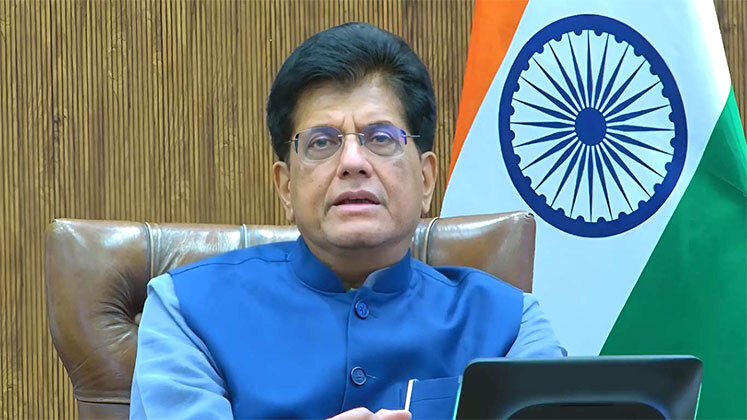
Speaking to reporters in New Delhi on Thursday, Goyal confirmed that the first tranche of the trade pact has been finalised in principle and that both sides plan to sign a joint statement on the agreement within the next four to five days. The joint statement is seen as a precursor to a more comprehensive legal agreement that the two governments aim to conclude by mid-March.
Goyal said that following the signing of the joint statement, the United States will issue an executive order to reduce tariffs on Indian goods to around 18% from significantly higher current levels. India, in turn, will begin the process of reciprocal tariff reductions on certain American products after the legal agreement is signed.
The prospective deal follows public remarks by US President Donald Trump earlier this week announcing a trade understanding with India, including tariff cuts and provisions aimed at expanding bilateral commerce. Officials noted that India’s exports to the United States and broader trade dynamics stand to benefit from improved market access and tariff adjustments.
The anticipated joint statement and subsequent legal agreement come amid broader efforts to deepen economic ties between the two countries, even as negotiations have previously encountered complex issues such as tariff disputes and market access concerns.
In addition to the bilateral trade deal with Washington, India this week also agreed on terms to launch formal negotiations for a free trade pact with the six-nation Gulf Cooperation Council, highlighting a broader push to enhance trade relationships with key partners.
Analysts say that if concluded, the trade agreement would mark one of the most significant recent developments in India’s external economic policy, potentially reshaping export dynamics and reducing barriers for manufacturers and exporters seeking access to the US market.