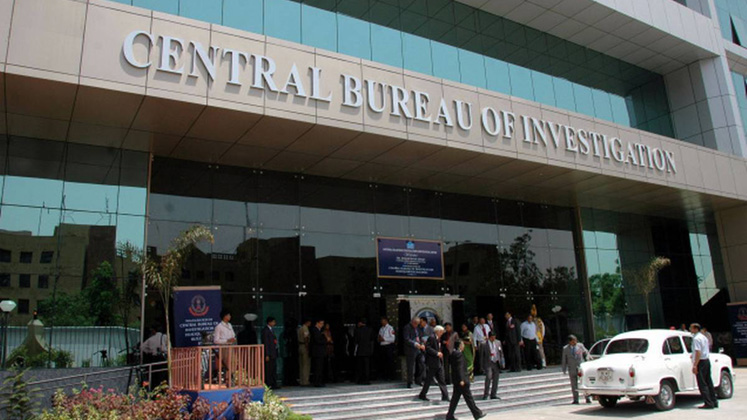
The premier investigative agency of India, The Central Bureau of Investigation (CBI), has filed a case against Kanpur-based Shri Lakshmi Cotsyn and its CMD Mata Prasad Agarwal for cheating a consortium of banks led by the Central Bank of India of Rs. 6,833 crore.
Pawan Kumar Agarwal, JMD; Sharda Agarwal, Director and Devesh Narain Gupta, Deputy MD of the company were also named as accused by the investigation agency.
The textile giant producing home textile, apparels and technical textiles is currently under liquidation. Shri Lakshmi Cotsyn used to be the supplier of Walmart and few other well-known retailers for many years.
The CBI teams carried out raids at 9 locations including Kanpur, Noida, Roorkee and Fatehpur.
RC Joshi, spokesperson, CBI said, “It was alleged that the company had reported inflated inventory records, auction process was not fairly organised and voluminous sale transactions were carried out with undisclosed related parties. The funds were allegedly siphoned/diverted by the company and these amount to fraudulent removal or concealment of property etc. to prevent distribution among creditors.”
The credit facilities granted to the accused were classified as fraud on 20 July 2020.
Notably, a forensic audit carried out by Grant Thornton had revealed massive irregularities in the transactions of the company between 2010 and 2018 as well as diversion of public money.
The role of bank officials, chartered accountants, statutory auditors, stock auditors and empanelled valuers, responsible for preparing company balance sheets, financial papers and issuing various compliance certificates, would also be investigated by the agency to determine if they were also involved in the fraud.
Owing to non-adherence of financial discipline by the company, the account turned non-performing asset (NPA). Even after restructuring the debt, it could not meet the obligations. The loan account was declared a fraud on 20 July 2020, by the Central Bank of India.
There were several anomalies in the sale of obsolete stocks. The auction details were not advertised and the stocks were sold to 42 customers, of which 12 were related parties. No collection was received from the sale of obsolete stocks from two parties, while partial payments were received from five parties. During the field visits, five customers could not be traced.