India’s appetite for all things fashion has grown tremendously over the last few years and the country is closing in on becoming the world’s sixth largest fashion market. According to McKinsey, this industry is slated to be worth nearly US $ 60 billion by 2022. “The Indian apparel industry accounts to be 4 per cent of global apparel market. This industry is most influential in the country in terms of output, foreign exchange earnings and employment. The industry contributes approximately 7 per cent to industrial output in value terms, 2 per cent to the GDP and 15 per cent to the country’s export earnings. It also provides direct employment to over 45 million people and is the second largest provider of employment after agriculture. Though the industry is in a pinch due to reasons such as global recession but the growing aspirations of Indian consumers is expected to drive growth in the Indian apparel industry,” avers Apeksha Patel, CEO, Deal Jeans & Founder, E2O Accessories.
While consumers are warming up to this growing industry and are becoming conscious than ever before in their fashion choices, they have started looking out for comfortable buying options too – preferably a one-stop-shop that can offer most of their needs under one roof. And apparel retail brands have read the nerves of the discerning consumers and are eagerly working on offering what’s being demanded, thereby extending their brand offerings as well as offering accessories or footwear. An extension into the accessories category is the next logical step for any apparel brand and a number of brands in the Indian retail landscape have taken this route and are offering a range of accessories and footwear – either under the same brand name or as a sub-brand with another brand name.
The concept of brand extension has been on the rise since the late ’90s and the strategy has now become popular than ever before for entering into new segments by extending brands into similar or related product categories through leveraging existing brand image. The practice links and transfers existing positive consumer perceptions of the parent brand with or to the new products, thereby capitalising on existing relationship that the parent brand has with its consumer base. However, brand extensions require an in-depth strategy in place and any mismatch can lead to an absolute failure. That being said, what really is attracting apparel retail brands to enter accessories and footwear segment?
Complementing the ‘accessorising’ trend
While there are innumerable advantages of extending the brand assortment, which include economies of scale, lesser marketing costs and lesser time for market adaptability, etc., extending into accessories segment for an apparel brand, specifically, opens up a whole new price point that could make it more accessible to a new group of consumers. Additionally, accessories segment is creating its own niche market in the country and is gradually transitioning from unorganised to organised sector. According to Statista , the market value of accessories across India in the year 2017 was approximately Rs. 280 billion and is estimated to reach Rs. 850 billion in 2023, and with such projected growth, tapping this potential segment makes perfect sense for the apparel brands.
“We, at Cover Story, piloted handbags, footwear and accessories line last season and are very satisfied with the results. I believe that fashion is a sum of various elements. The centre of it is, of course, the outfit which should be of good fit and finish and quality fabric. The outfit is personalised by the wearer’s choice of accessories, footwear and handbags. These categories are no longer only functional but a true reflection of the customer’s personality. We introduced our accessory line to capture this visible opportunity. We aim to provide a wardrobe solution to our customers where it becomes possible for her to pull a whole look together at our stores,” conveys Manjula Tiwari, CEO, Future Style Lab, which owns the brand Cover Story.
The apparel brands today are focusing on providing their customers with an eclectic range of options which complements their clothing merchandise. They are also putting forth a holistic approach, whereby the customers are acquainted with the complete accessorised look. Consumers too are nowadays looking for that ‘complete look’ from a single store rather than visiting a number of outlets for accessorising their look. Nathasha AR Kumar, Founder & CEO, Vajor, maintains, “Vajor started off as a fashion and lifestyle brand with products ranging from dresses to jumpsuits to pants and much more. We completed our product offering with accessories which included merchandise like footwear, sunglasses, hats and jewellery, and used it to create the ‘perfect look’. Vajor has been a platform where our consumer base has been provided with everything that it takes to create that ‘perfect look’. We are a brand that keeps innovating and continues to move forward while keeping up with the ongoing trends. Jewellery, footwear, scarves, sunglasses or even fanny packs are brought keeping in mind the seasonality of the products so that our audience has something to pick up according to their looks throughout the year. We treat the accessory segment not just as an additional category that can be used to accent your look but as a platform for self-expression.” Today, consumer base in India are seeing accessories as an easy transformation to their style and with such preferences, nothing makes more sense for an apparel brand (looking for extending into newer spaces for better market reach as well as revenue generation). E2O Accessories too brings an offering that is contemporary and compliments the collection at the store. This amalgamation lets customers mix and match their outfits with accessories and create that perfect look.
Retail brands are also going for brand extension through licensing in order to stay away from the risk of failure and also grab the chance to benefit from the growing opportunity that the other segment has to offer. “Madame has been into accessories business from last one decade, but starting from Spring/Summer 2020 season, we are introducing accessories via licensing. We have licensees in jewellery, eyewear and are looking for licensee suppliers in belts, bags and wallets and other accessories too. We, as a licensor, have certain terms and conditions with each licensee and do business on royalty base and mode of sales remains offline and online both. Licensing seems to be good idea for us as apparel is our forte and to not miss this growing opportunity, we are opting for accessories via licensing. At our EBOs, we have already trained our staff to help customers with their perfect look options,” asserts Ankit Sood, Head – Fashion Trend Forecasting & Planning, Madame.
Profit extraction
While retail industry is facing a down time since the past few months and low consumption is adding an extra baggage, apparel brands are trying to ensure they retain customers by expanding their product range and including accessories in their product assortment which is working wonders for them. As Nathasha puts it, “Our overall contribution of accessories within the brand might have been 10 per cent as compared to the clothing segment, however, the profit margin from the same has been significant enough which cannot be ignored.” For Cover Story, 5 per cent of the brand’s sales comes from non-clothing lines which is estimated to grow to 10 per cent, while for Deal Jeans, the accessories line typically contributes to 10 per cent of the overall revenue generation and its 8 per cent contribution from this merchandise category is made for Madame.
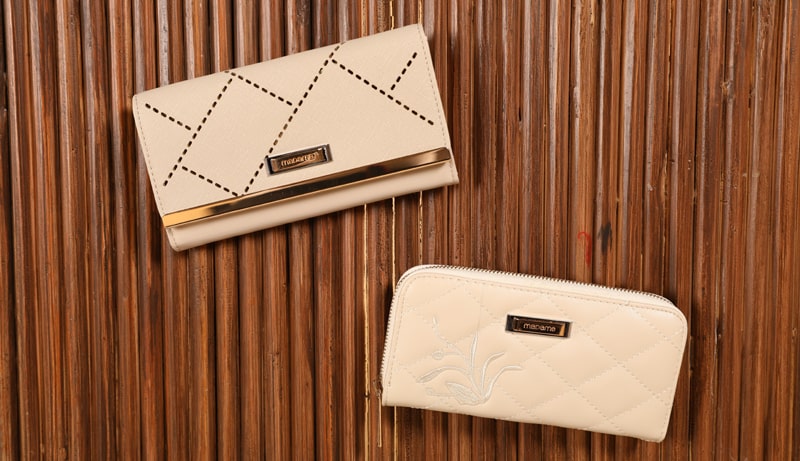
The accessories segment offered by the apparel brands have a set group of consumers who fall in the age group of 18-36 years and are fashion conscious, fashionable and crave for elite and contemporary style. The convenience of buying accessories from the same brand as the one for apparel is highly appreciated by women having a taste for trendy fashion and ‘aspiration of buying masterpieces that accentuates and adds that minute detailing of perfection to their top-to-toe look’. Furthermore, talking about the best sales season, while the stores do typically well all year round, the peak time for sales in the category remains the festive season. Multiple occasions like Diwali, Dussehra, Durga Puja, contribute to the sales as people walk in to shop for themselves and for family members.
The road ahead
Even as the concept of brand extension is working in favour of many apparel brands, there will be challenges faced during the execution of this extension strategy, optimising the supply chain logistics that benefits the bottom line, capitalising on and preserving the existing brand equity, assurance of a positive ROI for the accessories line, etc. Meeting these critical goals is the one and only way forward.
With rapid urbanisation, exposure through all sorts of media and the all new belief in ‘Look Good, Feel Good’, the popularity and demand of fashion accessories is now gaining unprecedented momentum and apparel brands are not shying away from launching a line of accessories to give a complementary offering that blends well with the existing product range and is an added source of revenue generation which would hurt no one. Not only the urban settlements, but this phenomenon is also trickling down to Tier-2 and beyond areas too on account of growing per capita income and better fashion awareness. Apeksha says, “As the brand is in the phase of increasing its footprints in Tier-2 and Tier-3 cities, the revenue generated presently from metros is higher compared to the smaller towns, but after a year or two, it is expected that Tier-2 and Tier-3 cities would yield at par revenue. After having presence of E2O in our apparel brand Deal Jeans stores in these cities, the decision has been successful and profitable considering a host of factors. These cities have potential customers who are brand conscious and ready to pay for quality and style but they lack varied offerings in their location. Tier-2 and Tier-3 cities are becoming the promising locations to leverage the brand name and ample of untapped opportunities are open provided the strategy is in place to capture the customer base in the best possible way.”
According to experts from the industry, the organised accessories segment has a great potential, and there is space for a lot more brands to enter this category as the market is young with promises of growth.