A regular visitor and participant at International forums organized by Fair Trade, Sustainable Apparel Coalition, Textile Exchange and other sustainability-led organizations, Shreyakar keeps close tabs on what is happening on the global front. Taking a cue from the directions indicated at these conferences, Pratibha Syntex is now looking beyond ‘responsible manufacturing’. “A lot is happening on the innovation front, mainly in fibres and the focus of sustainable R&D is now on performance or functionality along with aesthetics. We at Pratibha are now visioning to become a ‘leading responsible and responsive textile company’, which means that not only we’ll continue to be responsible to people and the environment in our operations and entire value system, but also more responsive to changing needs and demands,” shares Shreyaskar. When, he talks of responsiveness, it does not only mean performance fabrics, but also includes responsiveness to buyer’s demands for quicker and flexible deliveries and newer products, not all organic but engineered from sustainable sources. It really means understanding the market dynamics better, having a pulse of the marketplace, having the ear to the ground and responding to global trends faster and effectively, though sustainably.
In fact, in the international market, organic which was initially the biggest face of sustainable efforts in textiles has become mainstream and retailers/brands like H&M, M&S, C&A, and Esprit are selling organic products at the same price levels as regular cotton made products. While at one end this has pushed the market for organic with larger quantities, as it is no more an expensive product, but also throwing a challenge to organic to live up to its ‘perceived value’ with added functionalities. “Organic products are no longer niche products and while it has done wonders for the segment, it has also put a lot of pressure on the supply chain as the premium that farmers were getting, is no longer viable in the chain,” says Shreyaskar. But what has worked for the farmers at the ground level, is the lower cost of maintaining an organic farm, as prices of fertilizers, chemicals and other pesticides used in conventional cotton farming have gone up tremendously.
Shreyaskar is happy that the Government is taking positive steps to streamline the organic supply chain, so that the questions raised on contamination in organic cotton coming from India is addressed. He also suggests that a separate ‘land bank’ should be allotted for organic farming so that the chance of contamination is minimized. “Even though our farms are monitored thoroughly, we also sometimes find that the crop has been contaminated by neighbouring crops, it is not easy, but certainly doable,” adds Shreyaskar.
Having made the commitment to be a sustainable company, Shreyaskar is also in his own way, trying to work with the Madhya Pradesh Government to look more seriously into how sustainability can be promoted and implemented in the growth story. “I feel it should be taken up at the Centre by the larger players collectively to do what is right for the country and its people and create a unique position for the trade,” mentions Shreyaskar. He adds that his perspective on how to carry the sustainability movement forward has changed over the last six months. “Earlier I was more vocal about what companies need to do, but now I want to work and create a role model to show that it can work successfully, but, has to be more than a lip-service,” says Shreyaskar. Many new initiatives have been put into motion, which Shreyaskar prefers to keep under wraps until they start showing results.
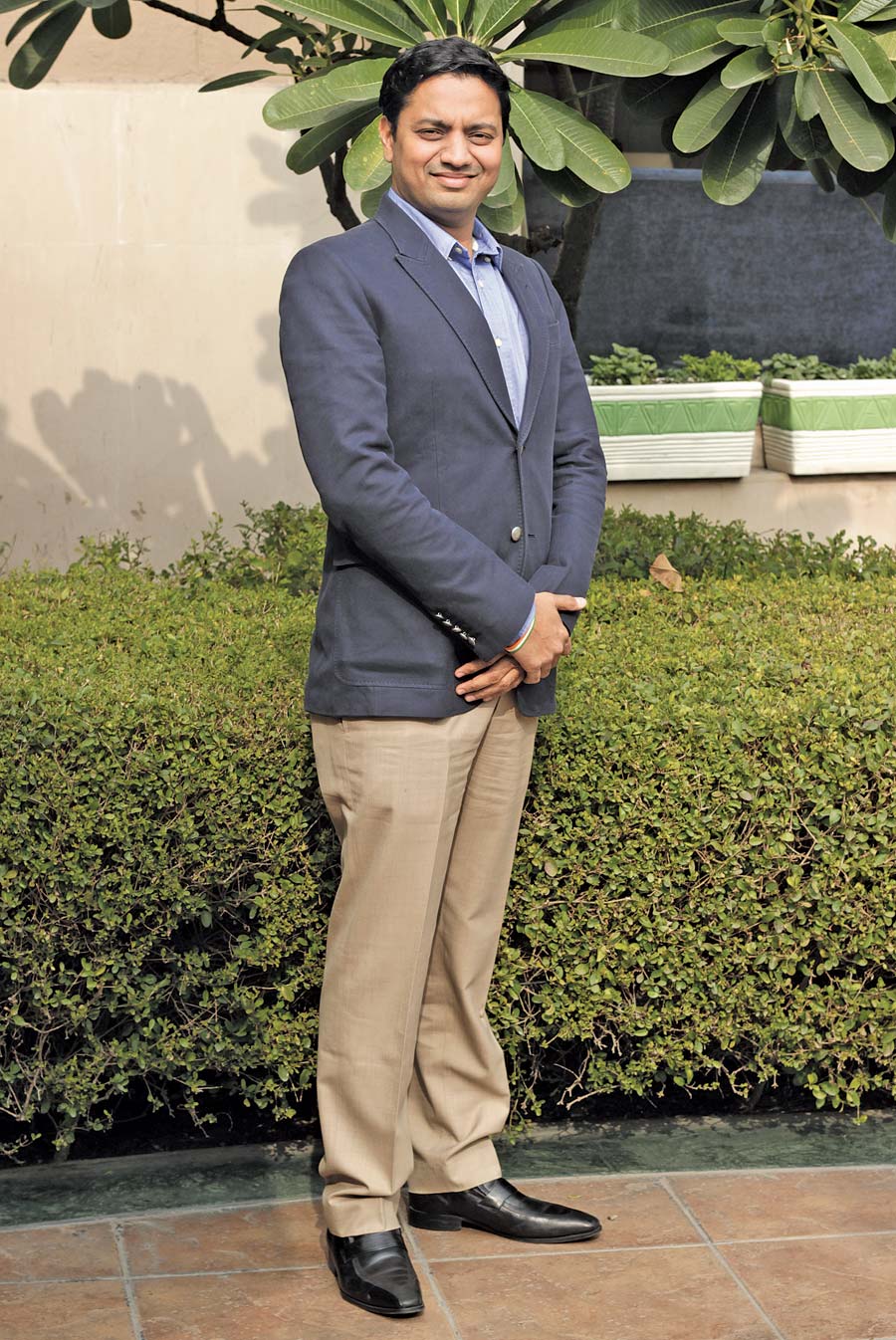
Meeting Shreyaskar Chaudhary, MD, Pratibha Syntex is like taking an energy dose on sustainability… “For us, sustainability is given… it’s an ongoing journey, the search is on to find ways to be more sustainable,” he says during a meeting with Team AO in Delhi recently. Undisputedly, the torchbearer of the sustainability movement in textile and garment industry in India, Shreyaskar is very proactive both wthin his company and at national/international forums, not only to understand what new is happening, but also representing India’s position on various topics including challenges in organic cotton. However, he candidly admits that there is more talk than actual action and it is time for the industry thought leaders to chalk out a long-term roadmap to grab opportunities in the trillion-dollar worth ‘responsible’ marketplace, which he firmly believes India as a nation has the potential to utilize.
“There is so much we can still do within our organization and until I’m able to convey our vision to all my people and instil the same passion in them for sustainability, how can I tell others what to do?,” introspects Shreyaskar. He is now extending the ‘joy at work’ initiative to every worker in the organization and is hopeful that it will lead to a cohesive company where every person talks the same language, where there is no difference between personal and professional life and is more about individual and collective fulfilment. “Earlier my effort was to align the management to one way of thinking, but now I want every employee to have the same vision,” says Shreyaskar. He adds that his father is now spending most of his time in spiritual and philanthropic pursuits, to which Shreyaskar quips that the entire business needs to be that way to be truly successful and meaningful.
“For me sustainability is embedded as the core of our business model, it is not a marketing tool,” says Shreyaskar. He does however caution that the biggest challenge of taking the sustainability route is being patient. “The ROIs on any sustainable initiative are long-term, but long lasting and many times on paper, the project does not make immediate commercial sense. But that is where the vision and commitment of the management comes in,” reasons Shreyaskar.
Sharing how the company has stuck to its decision to convert to 100% sustainable materials by the end of this year and are very much on target for the same, despite commercial challenges. Shreyaskar says, “We have invested a huge amount in our water treatment plant converting to biological cum physiochemical; two years have gone by and I foresee some more investments, but we have remained steady on getting it right… This also includes cutting down on our in-house processing by half and outsourcing the fabric instead at an additional cost. In the short run, it does not make commercial sense and to be honest not many entrepreneurs have the patience to wait for so long. However, I know that once the treatment plant is in place, it will reduce our operating cost too and we shall be ready for the long haul,” argues Shreyaskar. The window for any sustainable effort has to be 5-10 years and looking for tangible or measurable results before that may not be practical, cautions Shreyaskar.
Very positive of the next few years for Indian exports, aided by a new vibrant Government and improving global market scenario, Shreyaskar truly believes that if any country in the world can utilize a significant share of the global ethical market, it is India. “We have the right resources and also the culture which is aligned with sustainable concepts like reuse and recycle besides a huge potential for product development in garments to satisfy the huge ethical market, which is now growing bigger as more and more brands make commitment to offer sustainable products. What is now needed is a serious effort to identify gaps and make long-term commitments to become the world leader in this category,” concludes Shreyaskar. Believing in the opportunity that lies ahead, Shreyaskar is investing heavily in a Sustainable Design Incubation Centre and dreams to offer the most sustainable, functional and contemporary goods over a cup of coffee… organic coffee…!