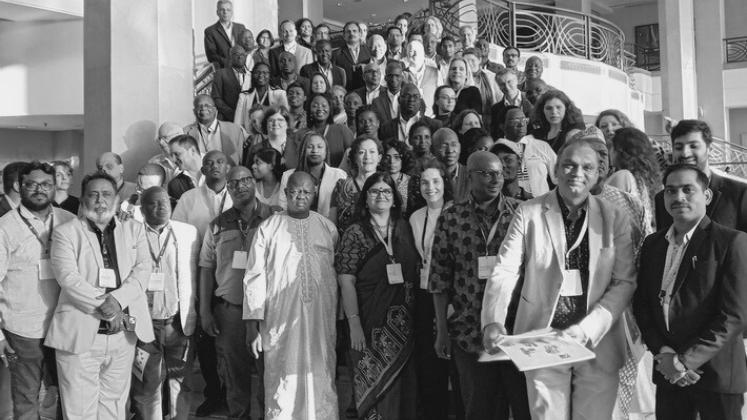
In order to encourage regenerative farming practices, the Aid by Trade Foundation (AbTF) Cotton Conference advocated for a combination of cutting-edge technologies and indigenous knowledge.
Speakers and attendees at the AbTF Cotton Conference made it abundantly evident that without the workers in supply chains and on the fields, there can be no traceability or transparency.
Global regulatory requirements that are changing are driving rising demand for supply chain traceability. Cotton Made in Africa (CmiA) provided a Hard Identity Preserved system that addressed the new standards.
The HIP approach was successfully used by the German diversified retail cooperative REWE Group to achieve 100 per cent traceable CmiA cotton in its goods.
During a panel discussion, several professionals from the textile supply chain also talked about how to establish traceability, especially with the help of physical monitoring and artificial intelligence (AI). The experts concurred that using AI to due diligence requirements may be a “true game changer.”
Aid by Trade Foundation (AbTF)’s managing director Tina Stridde commented, “We rely on innovation as an effective tool to make cotton production ecologically and socially sustainable. Together with our partners, we want to work collaboratively to create a cotton sector that not only generates benefits and opportunities for every stakeholder but also ensures that nature is not harmed or exploited in the process.”