The redirection of textile waste to alternative uses and preservation of natural resources including water and natural virgin fibres through a model in which the same materials can be used over and over again is the need of the hour. Not only is the market moving towards making upcycling and recycling a regular act, but the consumer is also demanding value for money and thus, wants to invest only in meaningful fashion.
This is giving way to newer brands, which are actively engaging in production processes ruled by principles of upcycling and recycling.
Accepting and treading the path of change
Paiwand is one such name synonymous to this dimension of the fashion industry and this textile studio provides upcycling services to design studios, fashion brands and export houses. They work on a collaboration basis where the company sends them the waste and they develop textiles from it using handcrafted techniques like handloom weaving, patchwork and embroideries. The finished fabrics are then sold back to the same company so that they can create an upcycled, sustainable range for their clientele.
“The brand is a reflection of my values, culture and ideology. Being born into a modest family in New Delhi, India, I was always taught to respect the resources and use everything around me effectively and efficiently. We, at Paiwand, are striving to make conscious decisions every day and encourage people to live a conscious lifestyle. Fashion industry is the second largest polluting industry in the world. After researching more about the industry, I became motivated to not become another ‘competitor’ in this industry but rather focus on becoming a ‘collaborator’,” Founder of Paiwand, Textile Artist Ashita Singhal tells us about her brand. The brand with its unique business model promoting circularity has been accepted by more than 50 companies that include names like Sarita Handa, Varana, Gaurav Gupta, Nila Jaipur, Injiri, Medium and more.
While the initial few phases of collaboration have been difficult and it was not easy to bring collaborators on board, but after a few collaborations, the brand now perfectly fits into the industry like a piece of an incomplete puzzle.
Consumer acceptance and need is key
“There is a significant rise in the number of customers interested in upcycled fashion. This has been growing month on month. We do also notice that more people are now aware of the term upcycling / upcycled products as they’re seeing influencers talk about re-use, repurpose etc., on social media more often than before. People are now much more open to the idea of buying products that have been made of pre-existing materials to be able to flaunt it to their friends and family too,” Akanksha Kaila Akashi, Founder, REFASH, tells us giving the retail and consumer acceptance perspective on products made via the upcycled process.
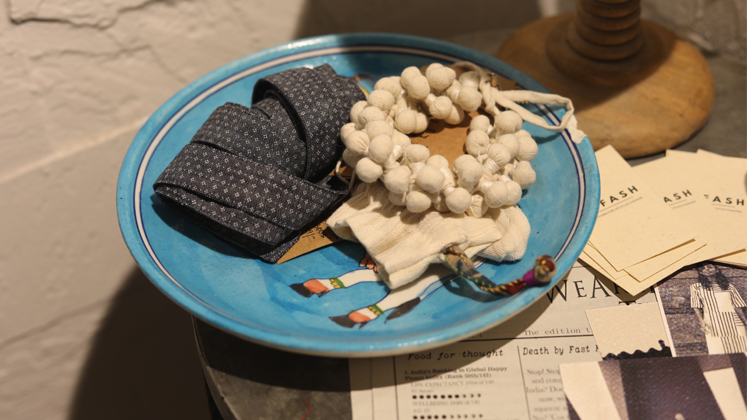
Back in 2018 when she started Refash, a platform retailing multiple brands – all creating upcycled products, the team really thought they will find maybe 50-60 brands to collaborate with and eventually will exhaust the list of brands. But today, it’s been almost four years and they are excited to discover a new upcycling brand every other day. “The creativity in this space is only growing! Apart from more upcycling brands popping up everywhere, we are also now seeing so many conventional brands come up with collections that are upcycled – recently Good Earth launched a collection called ‘Katran’ made with their fabric waste. This is just one such example,” Akanksha notes.
“Our consumers have become more conscious about their lifestyle and the environment. We have experienced a shift in consumer behaviour. The first wave of the pandemic affected our retail segment but our collaboration model has substantially grown over the last 2 years. We have been receiving the demand for recycled fabrics from around the world. We have successfully completed projects with designers from countries like Greece, Switzerland, England, Kuwait, Qatar and more,” Ashita adds.
Retailing upcycled products and its challenges
“One of the core challenges of selling upcycled products, especially in the digital space, is that there is only one piece to sell for each design. Once that is sold, it can’t be replicated. A lot of the online businesses work on how many pieces per design can be sold, which is not applicable for upcycled products. Although this is one of the USP’s of the product itself – that it is one-of-a-kind and hence if you buy one, no one else ever will have another like that”, Akanksha mentions.
Ashita also agrees, “Awareness and education are necessary to sell upcycled goods. Consumers still have the misconception that a product that is made from waste should cost less. There is a huge difference between recycled and upcycled products. We have been constantly spreading awareness about our design process and the intricacy of the techniques used. Our target audience already has an appreciation for handcrafted products and has showered our brand with love and encouragement.”
Nothing is impossible and the Paiwand team has taken up the challenge to manage and reduce waste efficiently and effectively. The handloom process gives them the opportunity to upcycle the tiniest bits of fabric waste that they receive from pre-consumer textile waste. In the last three years, they saved 5000 kg of fashion waste from going to the landfill.

Sharing a similar sentiment, brands like Iro Iro also follow an exhaustive process of upcycling. “When we receive the waste or Katran, it is segregated as per different colours and fibre types. The waste is then cleaned and cut into strips and then woven on a handloom. We create a range of outerwear, bags and upholstery using this upcycled textile and our design ideology revolves around the zero waste principle. Our handwoven fabrics are upcycled, woven with love and care by weavers from a village near Jaipur, India. Our small but growing family carefully creates patterns for your personality, all from fabric which would otherwise have been sent to the landfill- and it’s not just the fabric that is finding new life. Every finished Iro Iro product represents the revival of a dying craft tradition. Every product sold supports a family of weavers, and enables them to pursue a profession they are passionate about, instead of having to move into the unorganised sector,” Bhaavya Goenka, the Founder behind the zero-waste Indian brand Iro Iro informs.
She is also the regional leader for Fashion Revolution India, Jaipur chapter and actively promotes sustainability and ethical manufacturing. Given her years of experience in this direction, she mentions that the country and the consumers are getting very aware towards recycled products and it is a good and positive move in the right direction. Change is on the cards and she is definite that the consumer awareness will only increase with time.