India’s textile and apparel industry has witnessed the conclusion of the Lok Sabha elections with some anticipation. Now that the new portfolios are to be decided, as of writing this news piece, the industry is looking to see who takes the reins of the Ministry that takes care of the Indian textile and apparel sectors. With Piyush Goyal’s remarkable tenure as Minister of Commerce & Industry, Consumer Affairs & Food & Public Distribution and Textiles, the industry is highly hopeful that it will continue to see greater heights of success Irrespective of who gets the charge. With the great work that the Government has done for the industry which include the PM MITRA parks, FTAs and the continued support given to textiles and apparel, the industry is certain that this support will continue into the future.
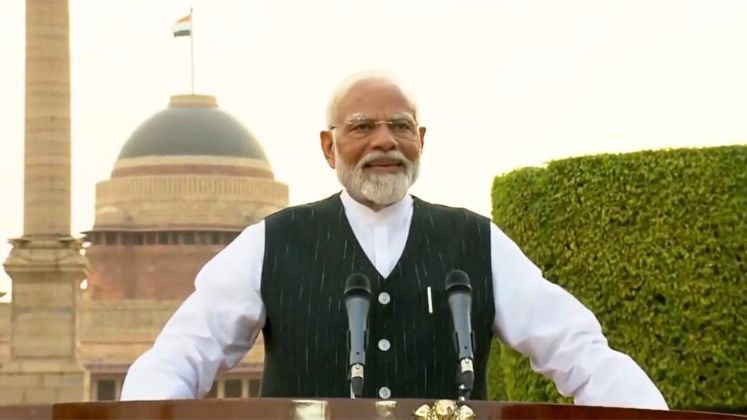
The Confederation of Indian Textile Industry (CITI) and the Apparel Export Promotion Council (AEPC) have congratulated Prime Minister Narendra Modi on his third consecutive term.
Rakesh Mehra, Chairman of CITI said that the textile industry stands as a cornerstone of India’s economy, significantly contributing to employment, exports, and GDP. He highlighted highlighted the industry’s unwavering dedication to collaborating with the Government. Mehra further stated, “We look forward to continuing our robust partnership with the government to address challenges faced by the industry, such as raw material security, infrastructure development, and skill enhancement.”
He opined that Initiatives such as the Production Linked Incentive (PLI) scheme for textiles, the National Technical Textiles Mission, and ongoing support for MSMEs have significantly bolstered the industry.
AEPC chairman Sudhir Sekhri said, “Prime Minister’s forward-looking, growth-oriented and progressive vision has built a strong fundamental for India to take the leap into the future. The convergence of positive domestic outlook with a favourable political regime will provide a conducive ecosystem for business in India in the years to come. The Modi Government’s third term clearly sets the stage for bold reforms that the industry has been waiting for.”
He thanked the Government for its continued support for the apparel industry and looked forward to continued support in the coming years.
The industry is also looking forward to seeing some changes to policy and regulations. Some of the urgent ones include QCO (Quality Control Order) Policy to be relooked to cover fabric and garments. All knitted fabric HSN codes should be covered under Minimum Import Duty. Import Duty on cotton to be removed till 30th October 2024 to cover the shortage in crops. Some medium term requirements include a special task force being appointed with single point agenda of increasing cotton productivity on an immediate basis with the involvement of both the Textile and Agriculture Ministries. A study be undertaken to calculate fibre and yarn prices in MMF in India and internationally to ensure the Indian industry gets raw materials at internationally competitive prices. Work on PM Mitra Parks be expedited. Interest subsidies needed on term loans and export working capital loans. These requirement were opined by Sanjay K Jain, Chairman, ICC National Committee.
Ashish Gujarati, past president, Southern Gujarat Chamber Of Commerce And Industry (SGCCI) and an expert from the textile industry is of the view that the Government should bring the ATUF scheme or the exclusive incentive scheme for weaving and knitting industries and make sure of the availability of the yarn at global international prices. “There is also a dire need for an exclusive renewable energy scheme for the textile industry and an incentive scheme for waterjet weaving CETP ( central effluent treatment plant),” he shared with Apparel Resources.





 Bharat Tex Special Report 2026