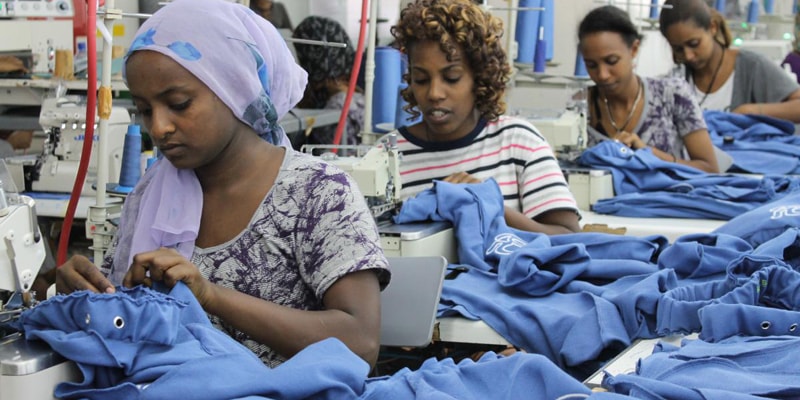
Ethiopia is rapidly emerging as an apparel and textile manufacturing hub. Low employee wages and cheap power are attracting several international companies to move towards the African nation. The Ethiopian Government too recognizes the strategic importance of garment and textile making, and is not shying away from investing in the sector by constructing large industrial parks like the Hawassa Industrial Park. Also many apparel companies have already set up factories in the country. In fact there are efforts to make it one of the most hospitable places to work for apparel companies.
However, according to the report released by the risk consultancy firm Verisk Maplecroft, land and human rights problems could thwart the country’s ambition of being an apparel hub. Since 2015, there have been protests over land reform that have led to the death of hundreds of people and detention of several thousands. “The sector remains exposed to a host of political, social and environmental risks. Many of these issues are unlikely to be resolved in next five to ten years,” says Emma Gordon, Senior African Analyst with Verisk.
Also Read – Ethiopia to get two new industrial parks for T&C industry
Also, the country has been under national emergency since last October, following widespread anti-Government demonstrations wherein the Government is being accused of suppressing the political and economic rights. Child labour, water pollution, the exposure of workers to harmful chemicals, and the possibility of resumption of protests could be additional threats.
It is to be noted that fashion retail giants such as H&M, Primark, and Tesco have sourced or set up textile factories in Ethiopia so as to diversify from Asian markets like China and Bangladesh.