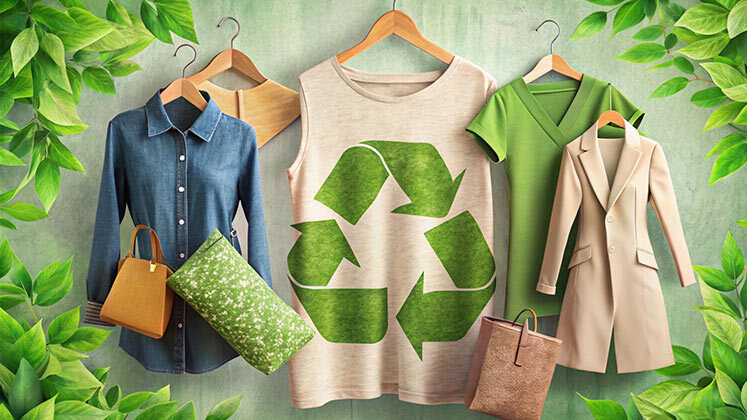
The rise of sustainable fashion in the textile industry is a response to the increasing demand from consumers for eco-friendly and socially responsible products. Textile manufacturing is a major contributor to environmental pollution, and sustainable fashion practices aim to reduce this impact. The use of sustainable and recycled materials is becoming more common, as is the practice of upcycling and recycling textiles to reduce waste.
The need for sustainable fashion is driven by a combination of factors, including consumer demand, technological advancements and government regulations. Consumers are increasingly aware of the impact of their clothing choices on the environment and society and are demanding more sustainable and socially responsible products.
The concept of sustainable fashion involves brands creating clothing that are not only eco-friendly but also considerate of those who produce it. Be it fashion designers, apparel brands or any other textile manufacturer, sustainability remains at the heart of everything. A simple definition of sustainable fashion is fashion that is made ethically and sustainably.
The invention of Spandex has revolutionised the fashion industry. Fashion; home textiles; sports and outdoorwear; protectionwear; cosmetics and hygiene products and high-tech applications: you’d be surprised at the durability and sustainability of this man-made fibre.
When interwoven with other fibres like cotton, manmade cellulose fibres like Lyocell, Modal, viscose or synthetic fibres like nylon or polyester, spandex not only adds to the strength of the fabric but also increases its longevity.
In recent times, the textile and fashion industry is also promoting the 3 Rs of Sustainability – Reduce, Reuse and Recycle. Yarn and garment manufacturers are innovating and introducing new products and concepts to create an eco-friendly business environment with minimum to zero wastage. Indorama India Pvt. Ltd.’s INVIYA® is a leading manufacturer of Spandex. It is the constant endeavour of the company to practise and promote sustainability and achieve zero wastage through research and innovation. One major step in this direction is their product ECOModa100TM which is a 100% Recycled Spandex created from pre-consumer spandex waste using their state-of-the-art technology.
The product performs at par with regular spandex and is a revolution spearheaded by Indorama as an answer to their consumer’s demand for sustainable fashion. In conclusion, while the challenges of producing sustainable spandex are significant, the rise of sustainable fashion in the spandex industry and ECOModa100TM are promising developments that are helping to address environmental concerns in the fashion industry. As sustainable spandex production methods continue to develop, it is likely that sustainable spandex will become more widely available and popular among consumers.