The growth in the textile value chain is being driven by steady domestic consumption and export opportunities slowly opening up again. Order books across the textile industry chain are healthier, and inquiries are picking up, pushing companies to prepare for the next phase of growth through new factories, backward integration, or expansion into new categories, with a clear shift towards faster turnaround, improved quality, and higher-value offerings across the value chain.
This momentum is clearly reflected across Mumbai’s textile ecosystem, where the Apparel Resources team recently visited and met key players across segments to gauge the mood.
Dodhia Group, first on our list and a leading nylon yarn manufacturer, exemplifies this trend with a diversified portfolio spanning Draw Textured Yarn (DTY), Air Covered Yarn (ACY), and Air Textured Yarn (ATY), along with twisted and dyed yarns, catering to applications across apparel, performance wear, and industrial segments.
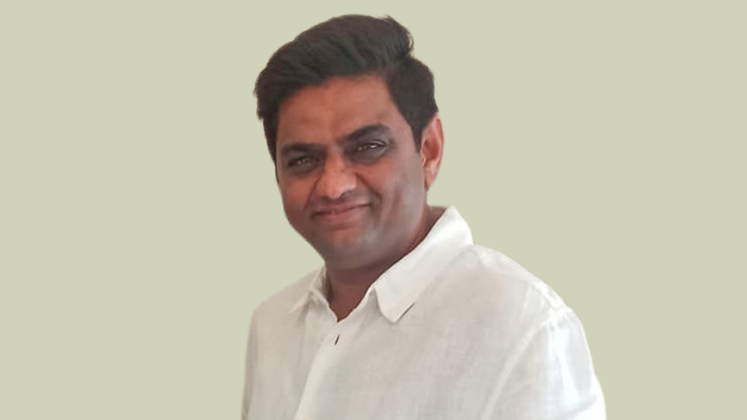
“MMF are driving growth today, both in exports and domestically. Consumers are increasingly looking for functional fabrics for gymwear, athleisure, and innerwear. One of our key challenges is changing the perception that MMF is ‘cheap,’ when in fact it is more sustainable and comfortable,” said Bhadresh Dodhia, Director – Finance & International Trade, Dodhia Group.
He added, “We have specialised in carpet and curtain yarns, and we are now one of the largest producers in this segment. We are also strong in suiting, shirting, home furnishings, and technical textiles. Over time, we have replaced cotton and viscose yarn with our specialised polyester filament yarn. This year, we have also introduced nylon, replacing polyester filament yarn for wall-to-wall carpets.” With a turnover of around ₹1,800 crore, the group has a capacity of 4,500–4,800 tonnes per month and serves 40 countries. It also caters to key domestic hubs like Bhilwara for suiting, Panipat for home furnishings, and Bhiwandi for yarn-dyed shirting.
This focus on growth, integration, and better consumer alignment is also visible across fabric suppliers.
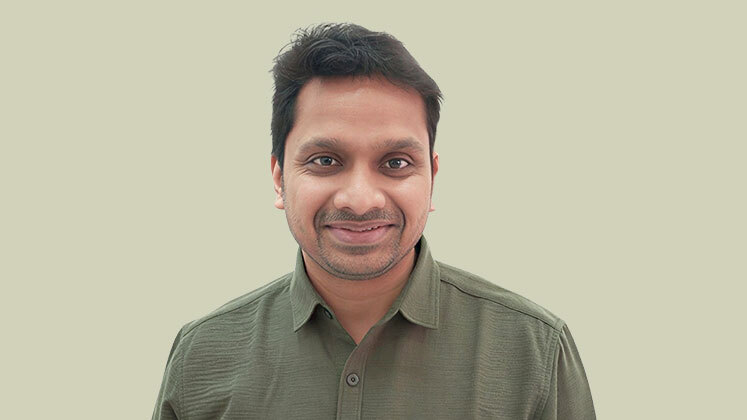
For instance, Gaurav Tibrewala, Director, LD Silk Mills, said, “We are seeing brands increasingly look for a one-stop solution, from fabric to finished garment. We are also planning to launch our own D2C shirt brand, Vhagar, with a focus on casual shirts sold through online platforms.”
LD Silk Mills, a fabric trading firm, handles around 1 million metres of fabric each month. The company has now more than 2,000 customers across India, including brands like Oxemberg, Siyaram, Raymond, and Mufti. Its strength lies in offering ready-to-cut finished fabrics with a strong focus on fast fashion.
LD Silk Mills has expanded its services to include digitally printed fabrics, handling up to 30,000 metres per day through its supply network. The company also operates its own garment unit in Bhiwandi, producing 2,000–3,000 pieces per day on an FOB basis for brands like Souled Store and Campus Sutra. The unit handles both knitted and woven fabrics, making shirts, T-shirts, and athleisure products.
In a similar vein, Somnath Fabrics is carving out a niche as a value-focused B2B platform, specialising in value-added and embroidery fabrics for occasion wear across all segments.
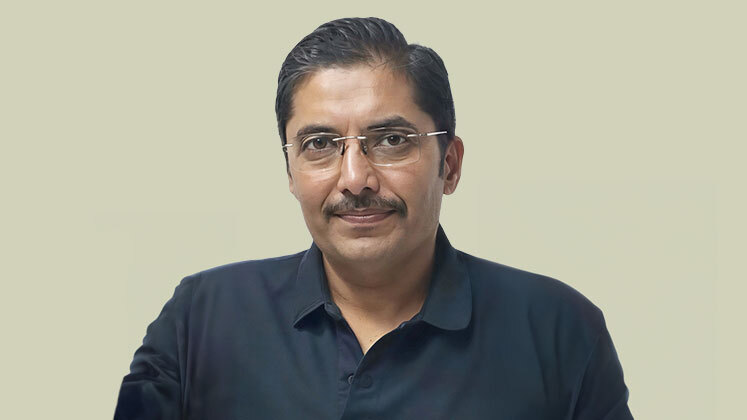
“We are planning for deeper penetration into value added fabrics with various types of value additions being explored and the supply chain being streamlined for the same. We are also planning for a warehouse in Surat for using the better infrastructure over there to give better quicker service to our customers,” said Bhavesh Mehta, MD, Somnath Fabrics. The company works with clients like Manyavar and Raymond Ethnic, among others and also collaborate on design customizations.
He added, “Our price range varies widely from ₹80 to ₹1,000 per meter. For embroidery, our work typically starts at ₹50 per meter and can go up to ₹1,000 per meter for 100% machine embroidery. Technically, we can work with up to 12-needle embroidery machines. We are also promoting beadwork, which was traditionally done by hand but can now be done using machines.”
The company maintains a base fabric stock of 4–8 lakh metres and introduces 200–300 new designs every season.
This integrated push across the value chain is likely to shape the region’s next phase of growth.
Garment Makers Step Up Production and Quality
This momentum is now extending into the garment segment, where manufacturers are increasingly moving up the value chain.

For example, Neeraj Goyal, Director, Shivasaa Apparels, mentioned, “The market is now shifting from low-cost denim to better quality and classic styles. We mainly make denim garments, focusing on value-added, premium products rather than basic items. Around 90% of our production is menswear, and we work with brands like Lee Cooper, Pepe Jeans, Spykar, John Player, and Ecko.”
The company has an in-house production capacity of around 70,000 to 80,000 pieces per month and outsources about 20,000 pieces.
The focus of manufacturers is also on expanding production to meet rising demand and take advantage of new market opportunities.
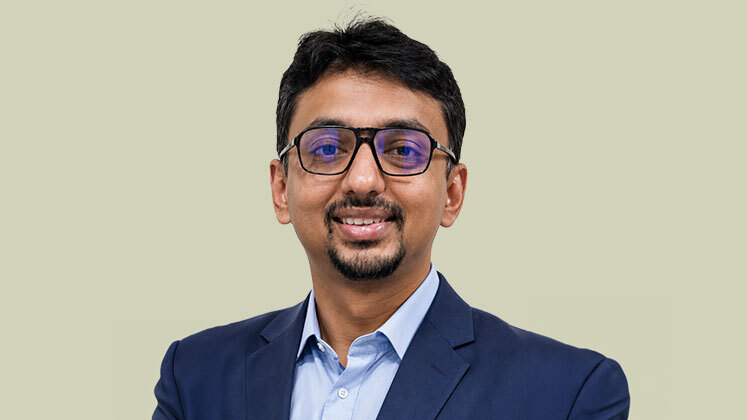
“With new trade agreements and domestic market growth, we are expanding our business. We are setting up a new factory in Sangli, which should start production between late April and mid-May, with an investment of about ₹8 crore. This will increase our production capacity to around 60,000 units per month, compared to our current 30,000– 35,000 units. We have also grown stronger in the domestic market, especially among corporate customers,” said Paras B. Chheda, MD, Pooja Clothing.
The company manufactures woven and knitted garments, including kidswear, menswear, ladies blouses, dresses, pyjamas, and skirts. Their domestic and export mix is currently balanced at around 50:50. Its export clients include International News Inc, Mountain Warehouse Ltd, and Shah Safari Inc, while domestic customers include FCUK, Miniklub, Gini & Jony, FirstCry, Global Desi, Future Group, and Hopscotch.
He added, “Our expansion is focused on woven fabrics. Knits make up a smaller share of our domestic business, as major knit production is concentrated in export hubs like Tirupur and Ludhiana.”
The company’s annual revenue is around ₹20–22 crore and it aims to grow this to ₹50 crore by 2027.
Accessories and embellishments are fast becoming key differentiators in apparel, and Schiffli embroidery is at the centre of this shift. Once a niche premium fabric with limited market reach, Schiffli has now found a broader audience, driven by more competitive pricing and wider applications.
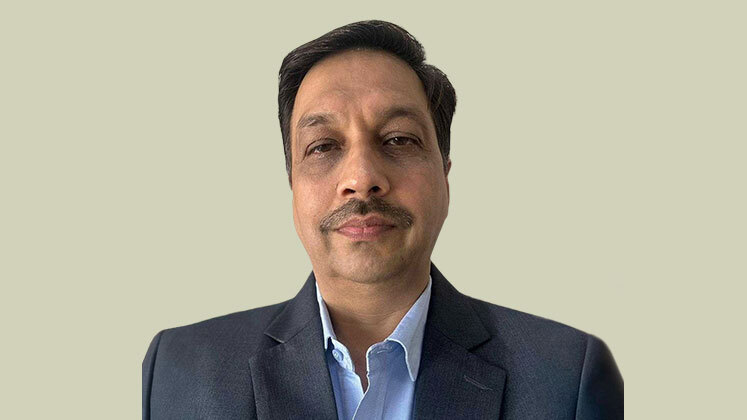
“A major change in the market has been pricing,” said Sandeep Sharma, President, Pioneer Embroideries Ltd. “Schiffli fabric was once seen as expensive with limited demand. Today, it’s more affordable while still retaining its premium look. That shift has allowed brands like Snitch, Zudio and Westside to expand their Schiffli offerings significantly.”
Sandeep said consumers, especially in womenswear and ethnic wear, prefer Schiffli for its elegance and texture over plain fabrics. With options now available across price points, the market is expanding beyond its traditional luxury segment.
He added that Schiffli is also finding new applications in home textiles such as bedsheets, curtains and pillow covers, with international brands already adopting these products.
The company is currently operating at around 80–90% capacity and plans to add more machines, including modern Schiffli embroidery equipment, to strengthen its embroidery business.
This integrated push across the value chain is likely to shape the region’s next phase of growth.
GREEN PRACTICES GAIN GROUND
|
(With exclusive inputs from Dheeraj Tagra)