In previous articles of Apparel Resources, it has been highlighted how the apparel manufacturers are investing in new projects especially in expansion, what is the focus of manufacturers in new factories, how the market is gaining momentum and how Government support is creating a buzz in the industry… Now the interesting and positive aspect is that understanding the exporters’ grievances, buyers have increased the price and as expected, the demand for sustainable garments is continuously increasing, bulk orders are also there! But despite all these good things, margins are still under pressure which is a big concern for apparel manufacturers.
What’s in demand?
As far as garments are concerned, apparel manufacturers share that like always, it is very difficult to pinpoint a particular kind of product or value addition. Exporters are majorly focusing on the same product categories which used to be their strength earlier as hardly anyone wishes to take any risk by experimenting with new product category or doing something different.
But at the same time, it is also interesting to mention here that the companies that are leaders in their segment are witnessing strong demand in most of the product categories. For example, Kolkata-based Mallcom (India) Ltd., which is known for PPE and safetywear products covering head to toes such as face masks, garments, rainwear, leather gloves and shoes has also expanded recently and has plans to expand further.
Ajay Kumar Mall, MD of the company said, “With a capital outlay of around Rs. 50 crore, we are setting up a factory for protective gears at Ghatakpukur, in North 24 Parganas. Land for the unit has been acquired already and the building is being put up. The production in this unit can be started by April next year.” The company’s subsidiary Mallcom Safety Pvt. Ltd. has started production of high-performance outerwear and rainwear at its new unit at the Apparel Park SEZ in Ahmedabad, Gujarat.
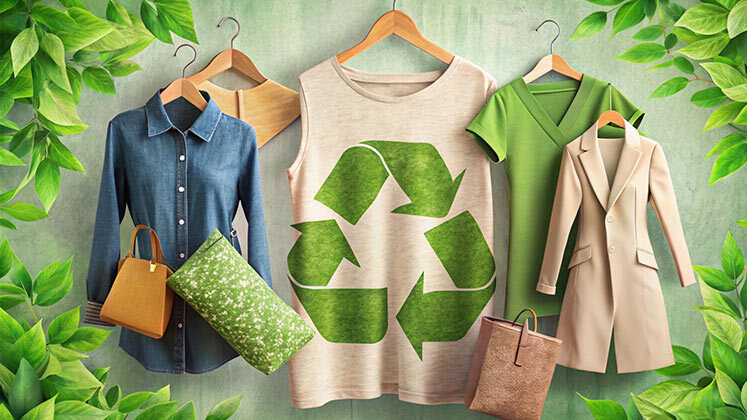
As thrust on sustainability is increasing across the globe and all the levels of income group, many stakeholders of the garment export segment are of the view that recycled and sustainable fabrics and garments will be in trend from now on. And this demand is supposed to continue in the future as most of the buyers from different countries, irrespective of their scale and mode of operations, are asking for these kinds of products.
Kapil Kamra, Director, Common Sourcing Solution, Gurgaon said, “It will not be wrong to say that there is a boom in recycled fabric. Apart from the sustainable aspect, its cost-effectiveness is also one strong reason for the demand. Normally recycled fabrics are 20 per cent cheap compared to similar new fabric.”
Price more but ‘not’ margins
Some of the apparel manufacturers accepted that now they are getting more price but this was only possible after a lot of efforts to convince the buyers. “Some of the buyers have increased the price by 2 per cent to 5 per cent and looking at the current scenario, this increase is quite important,” said Rajeev Bansal, MD, Celestial knits & Fabs, Noida. Having specialisation in knitted garment production, the company also has in-house fabric production.
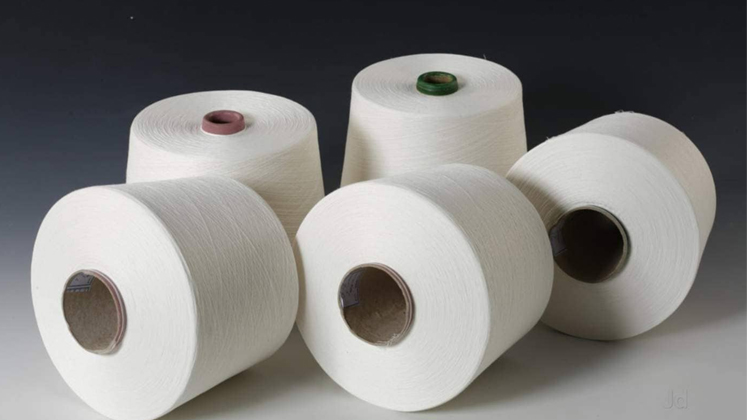
But at the same time, it is equally important to highlight that this increased price has not converted much into margin as the high cost of cotton yarn price and interest cost has increased for the majority of exporters. The crunch of working capital has forced exporters to arrange funds at high-interest costs.
“Yes price has increased, order size has increased and business is overall growing but the margin is not there and this is due to the high cost of raw material mainly yarn price. Delay in payment (export as well as domestic) is also one reason creating pressure on working capital and finally on margin,” said Anil Jain, Director, Opera Clothing, Mumbai.
Bulk orders are there!
Due to recent developments at the global and Indian level, be it an increase in Covid cases in Bangladesh and Vietnam, China’s cotton issue or growing vaccination in India… buyers have started preferring India and this trend is still going on. These factors helped India to strengthen its marketing. Mid-level professionals of 4 factories confirmed to Apparel Resources that their average order size has increased from 30 per cent to 50 per cent and they have bulk orders also.
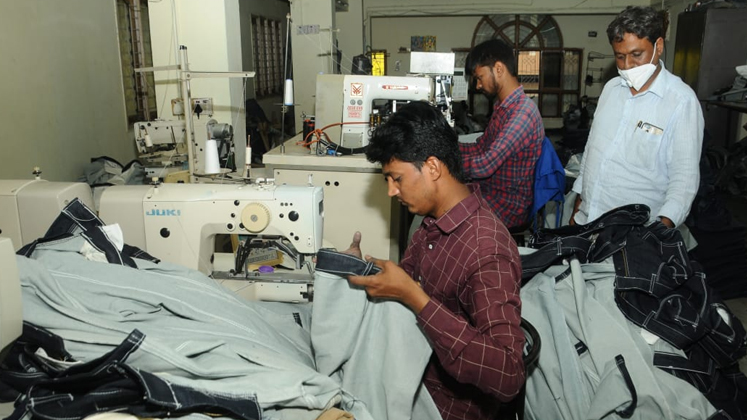
“One of our buyers earlier used to place an order of normally 2 to 3 lakh pieces but recently we got an order of a million pieces from the same buyer. And it doesn’t mean that the order is in bulk, so it will have a low price. In recent days we have seen orders where the margin has been 8 per cent to 15 per cent also,” shared a top buying professional of a leading buying house on the request of anonymity. He further added that earlier core business was not coming to India, but now it is coming. Denim is one such product category witnessing good orders in India. This increase in orders of core products is mainly due to the better performance of Indian apparel exporters as they are performing best at various levels be it in delivery, quality, cost, sustainability, overall service to their clients. All this is despite the plenty of challenges that are there be it skyrocketing yarn prices, shortage of containers, the crunch of working capital.
- Exporters having deep pockets and good product developments have a good amount of orders.
- Some of the small exporters working with very few and small buyers (those who used to do orders of even 100 pieces comfortably), are now facing a dearth of orders. They are working for the domestic market and anyhow surviving.
- In value addition also, the prevailing trend of embroidery, printing is continuing as usual as they used to be. Some exporters shared that now the collection is being made in a way that value addition has minimum costing.