The Reserve Bank of India (RBI) announced a significant hike in Repo Rate (RR) for the first time in in four years on June 6, 2018.
RBI’s Monetary Policy Committee (MPC) has agreed on increasing the Repo Rate by 25 basis points (bps) to take it from 6 per cent to 6.25 per cent.
The MPC reasoned that increasing crude oil prices in the international market have resulted in the RR surge.
However, Raja M Shanmugham, President, Tirupur Exporters’ Association (TEA) claimed in a press statement released that the increase in the repo rate at this time will have a damaging effect on the exporters.
Seeking inputs on the same, Apparel Resources contacted Shanmugham who told us that they (RBI) have been increasing the repo rates by giving different excuses such as inflation, rupee fall previously, and now they have come up with the crude oil pricing issue.
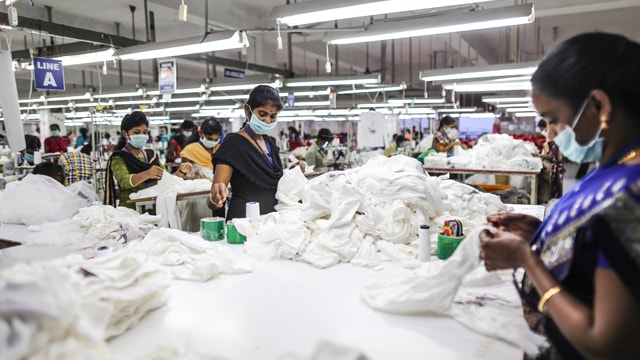
The President further apprised us that Tirupur knitwear industry is already suffering from the sudden change in the macro-economy after the implementation of GST and demonetisation and this increase in the rates will further increase the Cost of Credit for the exporting units.
“The Cost of Credit is 11% in India as compared to 4% in the international market and that creates an uneven playing field for us to compete in the global market. Countries like China, Bangladesh and Cambodia are enjoying the standard 4% rate and this is further damaging our already ailing industry,” Shanmugham told us.
TEA claims that knitwear exports from Tirupur have witnessed a decline of Rs. 2,000 crores (Rs. 24,000 crores) as compared to the numbers registered in 2017-2018 (Rs. 26,000 crores).
The Indian apparel body also marked out that as the exporters have been taking up orders six months back, they are not in the position to increase the prices of the products due to change in repo rates, considering the competition in the global market.
Shanmugham told Apparel Resources that the association has asked the Government to increase the subsidy offered under Interest Equalisation Scheme from 3 per cent to 5 per cent as that is the only way for the textile Industry to survive in such a situation. Otherwise, the industry will not survive under the rapid changes that are taking place frequently.
“We have been asking the Government to increase the subsidy, as the majority of the textile exporters are from MSMEs and they cannot withstand this change by the RBI without getting much help from the Centre,” he maintained.