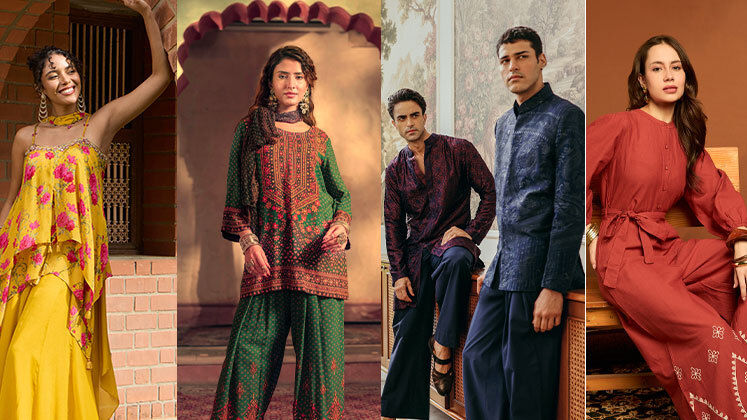
From co-ord sets and contemporary kurtas to easy occasion wear, modular dressing and faster sourcing, India’s IndoWestern market is moving beyond “fusionwear” to become a bigger opportunity built around versatility, repeat wear and value.
Indo-Western fashion in India is no longer simply about mixing an Indian kurta with Western silhouettes. The category is growing into a much bigger business opportunity, driven by a consumer who wants fashion to work harder across occasions, settings and lifestyles.
Today’s Indian consumer is not necessarily moving away from traditional Indian wear. What is changing is the willingness to maintain separate wardrobes for work, everyday dressing, travel, social occasions and celebrations. Consumers increasingly want clothes that can move with them from one setting to another-with styling, proportions, fabrics and construction playing a bigger role in making that possible.
That shift is pushing the category beyond the old idea of fusion. IndoWestern is becoming less about combining two distinct styles and more about creating clothes that are contemporary, versatile and easy to wear repeatedly.
The opportunity also cuts across price points. BIBA and Libas are building accessible, high-volume propositions, while Riyaasat and Jorah Men are targeting more premium, occasion-led demand. SOCH and Globus sit across the middle of this spectrum.
So, where is the category headed next?
Apparel Online India spoke to Vinay Chatlani, Co-Founder & CEO, SOCH; Siddharth Bindra, Managing Director, BIBA; Ranganath Kuppur, CEO, Globus Fashion; Sidhant Keshwani, Founder & CEO. Libas: Nishtha Kumar, Associate Brand Manager, Riyaasat; and Keshav Gupta, Founder & Designer, Jorah Men to understand what is really driving India’s Indo-Western opportunity from changing consumer profiles and product preferences to spending patterns, demand drivers and the gaps brands are now looking to fill.
The New Indian Wardrobe
India’s Indo-Western consumer is becoming harder to define by age or city and easier to define by their behaviour. Across BIBA, SOCН, Libas, Globus, Jorah and Riyaasat, the common thread being observed is a customer who wants Indian design to retain its cultural familiarity while becoming easier to integrate into an evolving contemporary wardrobe.
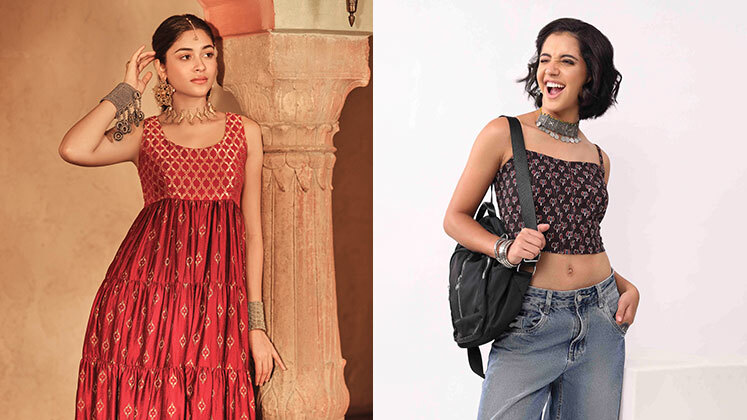
Consumers are looking for Indian design in contemporary silhouettes, easier styling options and more versatility, transitioning seamlessly between everyday dressing, work, travel, social occasions and, at the premium end- weddings and festive events. Younger consumers are not abandoning Indianwear, but instead, are redefining how it is worn and expecting it to work across more situations.
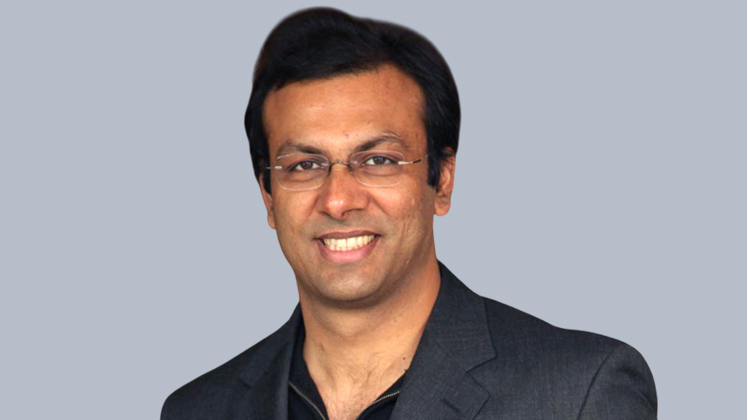
Siddharth Bindra, Managing Director, BIBA, told Apparel Online in an exclusive interview, “Our IndoWestern consumer is increasingly not a separate consumer but an overlap. The same woman who shops traditional Indian wear for festivals, family occasions or work is also buying fusion silhouettes for other parts of her wardrobe. Today, the line between Indian and Indo-Western has become very fluid, with Indian prints, colours and design language being interpreted through more contemporary silhouettes.”
This said overlap is changing the wardrobe itself. Globus describes a customer who no longer sees Indian and Western as separate systems, while SOCH sees versatility becoming increasingly important across consumer segments and markets. Jorah extends the same behavioral shift into menswear, where experimentation is increasingly being driven by individuality rather than a fixed demographic profile.

Ranganath Kuppur, CEO, Globus Fashion, explained,”At Globus, the core Indo-Western consumer is а woman who is quietly rewriting the codes ofIndian dressing. She no longer sees Indian and Western as two separate wardrobes. A short kurta can be paired with wide trousers, an embroidered shirt with denim, and a saree blouse can become a standalone contemporary top.
For Jorah, that consumer is not necessarily looking for a new category so much as a different expression of menswear. Customisation, individuality and experimentation become as important as the conventional parameters of age or location.
Consumers aren’t leaving Indianwear — They Want It to do More.
The strongest evidence of category expansion is not a dip in demand for traditional Indian wear, but the number of additional tasks today’s consumer expects Indian fashion to perform.
Libas is seeing everyday dressing and workwear become as significant a purchase driver as festive and wedding-related buying, while BIBA is seeing the category move into work, travel and social occasions, with SOCH describing a consumer who may style the same kurta differently depending on the occasion.
“Less a move away from conventional Indian wear, and more an expectation that it does more. Festive and family occasion buying still leans traditional, but the everyday version of Indian wear is expected to feel modern, layerable and versatile enough to double up for a workday or a casual outing,”said Sidhant.
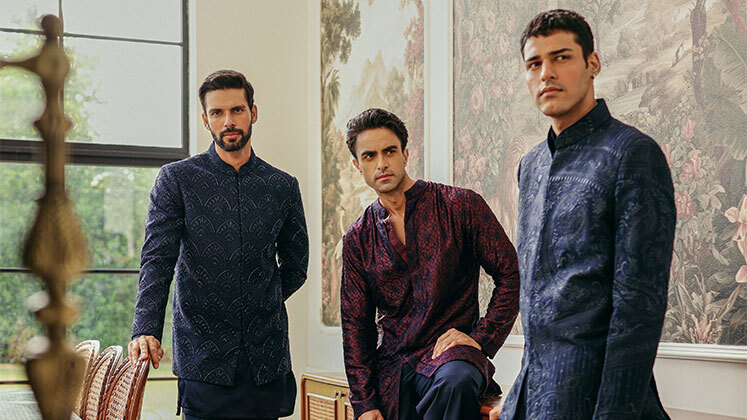
On the other hand, for Riyaasat. weddings, festive occasions, family celebrations and social gatherings remain the primary occasions, with sarees, suits, anarkalis, lehengas and Indowestern garments continuing to anchor the business. But even here, the evolution is visible in lighter silhouettes, easier movement and products that offer more variety across the customer’s celebration wardrobe. The opportunity lies in not making every Indian garment casual, but to create additional points of consumption around products that can seamlessly travel between different occasions and settings.
The Set Still Sells But The Separates Create More Value
The growing interest in versatile pieces in fashion has not made coordinated dressing irrelevant, but, in fact, complete looks continue to perform strongly, especially when the consumer is buying for a wedding, festive occasion or an important social event.
Sets solve a practical problem by removing the styling decision and providing assurance that the outfit works as a whole. BIBA sees this clearly in its co-ords range, while Jorah says. Complete looks remain the preferred choice among their consumers. Riyaasat similarly sees confidence in cohesive ensembles at the high consideration end of occasionwear.

“Sourcing and manufacturing have to become more agile as consumers demand greater newness and relevance. This means closer coordination between design, merchandising, sourcing and production, shorter feedback loops and greater attention to fabric availability, quality consistency and production flexibility. For a brand operating at scale, the challenge is to combine the speed required by contemporary fashion with the quality control and craftsmanship expected from Indian wear.” Vinay Chatlani, Co-Founder & CEO, SOCH
At the same time, Libas identifies mixing and matching as the bigger behavioural shift, with consumers pairing ethnic kurtas with jeans or Western tops with palazzos rather than automatically buying a head-to-toe look, SOCH sees a similar evolution, with Indian jackets, kurtas and festive tops moving into combinations with existing Western wardrobe staples.
This has created two distinct commercial roles within the same product architecture with sets making the purchase easier, and separates making the wardrobe more productive, a distinction that could become increasingly important as brands move towards modular merchandising.
The Tier II/III Opportunity Is Becoming More Strategic
The next stage of growth in the IndoWestern space is unlikely to come from metros alone with Tier II and III markets-increasingly becoming important not just as the next layer of retail expansion, but as vital centres of fashion demand in their own right.
BIBA reports clear consumer appetite for fusion silhouettes beyond metros, while Riyaasat is seeing emerging city consumers becoming increasingly comfortable buying premium occasionwear, and Jorah reports stronger appetite for Indo-Western in many Tier II and III cities than in metros.
Siddharth said, “Our top 10 cities and state capitals continue to be the strongest demand drivers for IndoWestern wear, but the category is by no means restricted to metros. BIBА has a strong presence across Tier II and III markets, and we are seeing a clear appetite for fusion silhouettes there as well.”
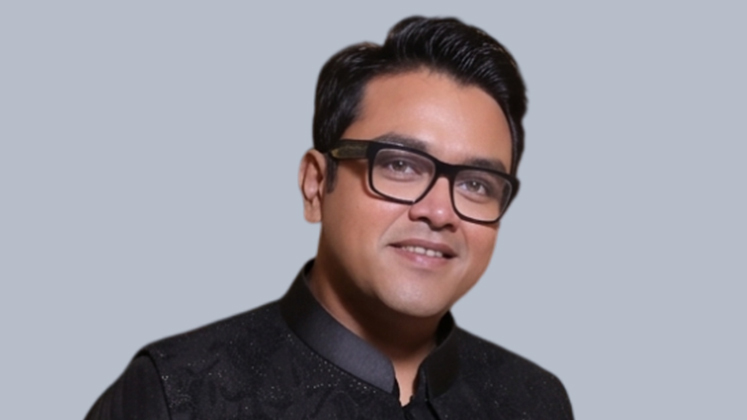
“Interestingly, we see stronger appetite for Indo-Western wear in many Tier II and III cities, where consumers can be more adventurous with colour, cuts and detailing than in metros. These markets represent significant opportunity, with customers increasingly willing to pay for distinctive design and quality craftsmanship. That said, behaviour varies considerably from city to city,” highlighted Keshav Gupta, Founder & Designer, JorahMen.
The opportunity here lies in not selling the same assortment everywhere, but to recognise that consumers can share the same fashion awareness while translating it differently through occasion, styling confidence, colour preference and value expectations. Tier II and III growth is hence, becoming a product question as much as a distribution question.
Versatility Is Moving Into The Design Brief
The biggest change emerging in Indo Western product development is that versatility is no longer simply a styling advantage added after the garment is designed but is something that is now becoming part of the product brief itself.
The consumer may still buy a kurta, an anarkali, a jacket or a festive set for a specific occasion, but the expectation is that the product should not become irrelevant once that occasion is over. The next thing is modularity- a kurta that can go well with traditional bottoms, denim or tailored trousers, an Indian jacket that sits well over a dress or a festive top that can pose as a separate rather than remain tied to one coordinated set.
Libas is making this part of the design proposition rather than leaving it purely to the consumer’s styling imagination through modular pieces a kurta that pairs with palazzos for daywear and can be dressed up with jewellery and heels for evening- and by building versatility into fabric and colour choices rather than the silhouette alone.
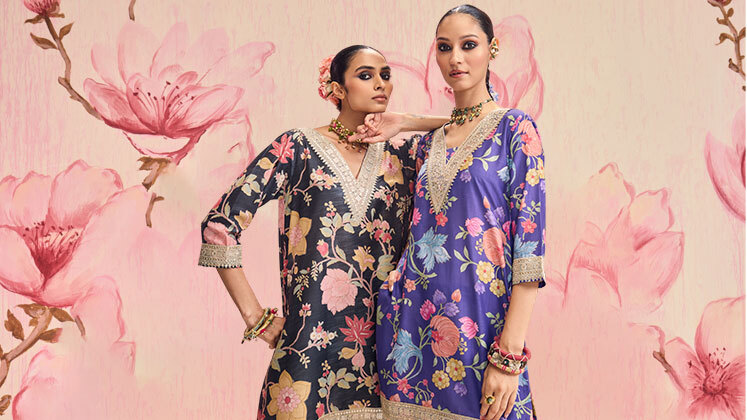
Globus extends the same thinking into construction, considering fabric weight, transparency, neckline, sleeve, length, surface, construction and modularity according to how many different situations a garment can serve. Its “Everyday Fusion Wardrobe” proposition is ultimately built around frequency of wear rather than a one off impact.
In terms of fabric versatility, Libas is focusing on cottons, linens and lightweight blends for daily wear, while Globus is exploring breathable cottons, cambrics, dobby surfaces, lightweight jacquards, fluid fabrics, schiffli, lace and openwork. Riyaasat is approaching the premium side through lighter treatments of organza, tissue silk, brocades and other occasion fabrics.
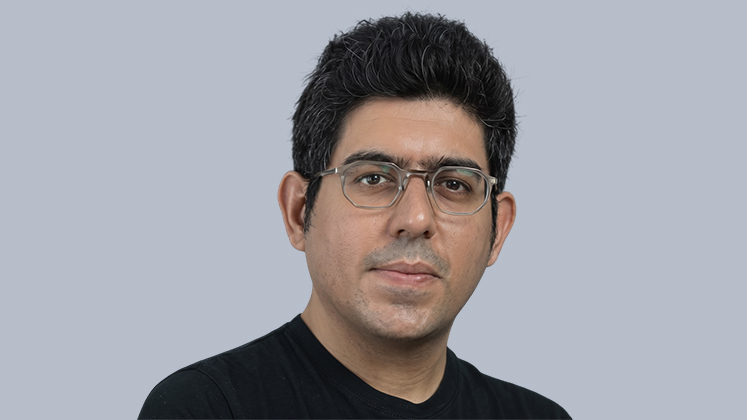
“Sourcing is shifting toward fabrics that perform well across seasons and occasions, and manufacturing timelines are compressing to react faster to trend signals – 45 to 75 Days is roughly the current design-to-shelf turnaround.” Sidhant Keshwani, Founder & CEO, Libas
For brands, this versatility is now influencing not only styling but silhouette, fabric, construction, assortment architecture and merchandising. The category is moving from designing for a particular moment to designing for frequency of wear. This is visible in the product direction across the market with straight and relaxed kurtas, shorter kurtas, contemporary anarkalis, coords, dresses, fluid bottoms, jackets and fusion separates gaining relevancе because they can be interpreted differently as per styling and occasion.
Speed Becomes Part Of Product Proposition
As the category becomes more versatile and more responsive to changing consumer behaviours, another pressure point emerges for brands and designers: how quickly can brands translate demand into commercially viable products.
The consumer increasingly expects the freshness and responsiveness of contemporary fashion,while the product can still involve Indian fabrics, embroidery, surface techniques, fit complexity and labour-intensive construction. Speed hence, cannot simply mean reducing the production calendar- it means building a supply chain that can identify a relevant idea, develop it, test it, produce it and replenish it without losing control over quality.
Libas places its current design-to-shelf turnaround at roughly 45 to 75 days, illustrating how dramatically the development cycle is compressing. But speed at that stage depends on what happens before production begins.
Globus is similarly moving away from a sequential development model. Stronger vendor specialisation, consolidated fabric platforms, tighter prototype and fit gates and more disciplined development calendars have been set in place to make the entire process more responsive rather than simply adding production capacity.
This seems important because speed can quickly become inefficiency in a category with a high degree of product complexity. The challenge becomes even more pronounced in occasionwear, where the consumer expects craft and surface richness alongside consistency.
Nishtha Kumar, Associate Brand Manager, Riyaasat, says, “From the manufacturing and sourcing side, the industry is also becoming far more agile. Fashion cycles are faster, customers discover trends almost instantly and brands cannot depend entirely on long seasonal development calendars. This requires smaller and smarter production runs, quicker replenishment, stronger vendor partnerships, tighter quality control and better demand forecasting.”
The Next Growth Story
The most significant implication of all these shifts is that Indo westernwear may eventually stop functioning as a clearly bounded category with brands already seeing growth extending into adjacent wardrobes, new occasions, new channels, new geographies and increasingly modular forms of dressing.
For BIBA, that means strengthening propositions already showing traction BIBA NXT for a younger customer, the Wedding Edit for sharper occasionwear, and greater headroom in BIBA Girls and bottomwear, while using its existing store, e-commerce and retail network to deepen assortment and discovery.
Libas is looking beyond predominantly Indian-wear positioning towards a broader fashion and lifestyle ecosystem, with adjacent seasonal and complementary categories, deeper Tier II and III distribution and quick commerce for impulse, last-minute and occasion led purchases.
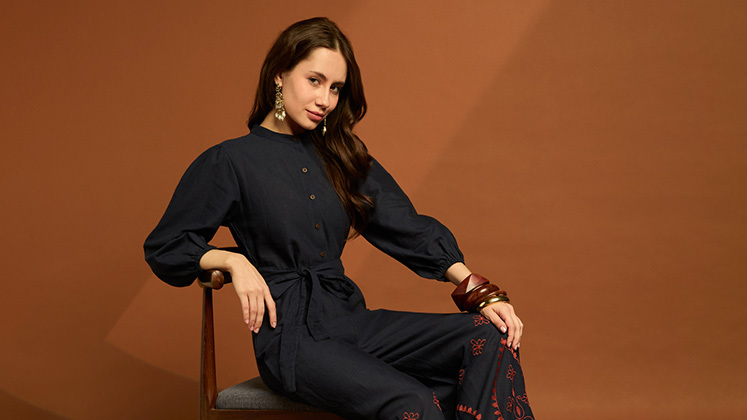
At Globus, the opportunity is being framed as a complete contemporary wardrobe rather than an Indo-Western department.
That includes fusion, everyday Indian wear, dresses, coordinated dressing, contemporary bottomwear, modern sarees and blouses, lighter occasionwear and layering. Inclusive sizing, the GCC and emerging commerce formats such as quick commerce also form part of the expansion opportunity.
SOCH’s future strategy similarly moves towards contemporary separates, versatile everyday styles and occasion-to-everyday products, with e-commerce, marketplaces, quick commerce and international markets including Southeast Asia, the Middle East, the UK and the US contributing to expansion.
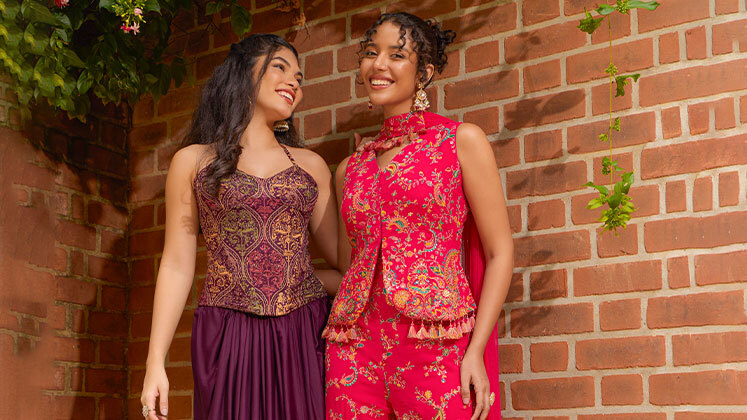
Riyaasat is taking a more focused route, building around the Indian celebration economy while expanding geographically. Its global platform, retail strategy and international proposition are designed to serve both the domestic market and the Indian diaspora, while keeping weddings, festivals and occasion dressing at the centre of the business.
Jorah represents another direction: of greater personalisation. Its customisation-led approach gives consumers the ability to adapt colour, technique, cut and fit, while the wider opportunity lies in moving Indian menswear beyond the wedding and festive wardrobe without losing the design and craftsmanship associated with it.