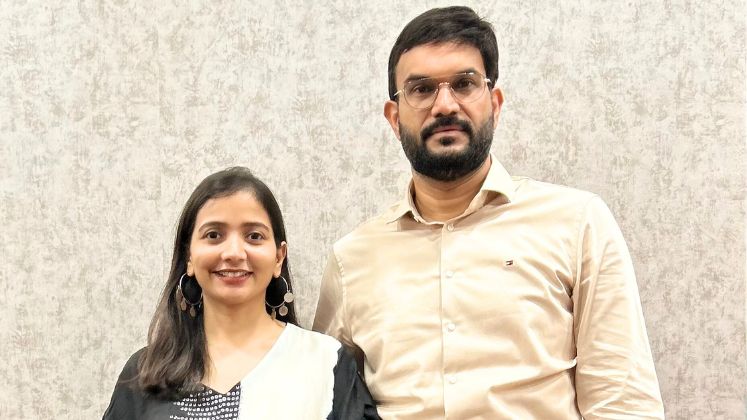
Raising funds is crucial for every start-up’s next big leap, but it becomes even tougher in a challenging economy like we’re seeing now. Therefore, it’s important to understand the right way to secure capital and be prepared for the extra scrutiny involved, state Vikram and Priyanka Kankaria, Co-founders of Fashor, an affordable ethnicwear brand. In August, Fashor raised US $ 5 million in a funding round from early-stage venture capital firm Blume Ventures in a mix of primary and secondary transactions.
With this funding, investors like Inflection Point Ventures, Venture Catalysts and Jito Angel Network exited with returns of over 500 per cent.
Vikram mentions that Fashor was launched in 2017 when the duo saw a significant gap in the market for affordable, high-quality ethnicwear that was both trendy and accessible. “Coming from a background in investment banking, I had a strong sense of how to scale a business, while Priyanka, with her deep experience in fashion design, had the creative expertise to bring our vision to life,” stated Vikram.
By FY ’26, the Indian ethnicwear market is expected to reach a market size of US $ 26.9 billion with a CAGR of about 9 per cent. Whereas industry leaders pegged the market value of branded or organised
Indian ethnicwear at Rs.30,000 – Rs.35,000 crore (US $ 4 billion approximately) with a CAGR of
20 per cent – 25 per cent.
About one-third of Fashor’s revenue comes from its website and app, 55 per cent – 60 per cent from marketplaces and the remaining 10 per cent from offline sales, Vikram adds.
Apparel Resources got in touch with Vikram and Priyanka to discuss their fundraising strategies, sourcing tactics, the brand’s future growth plans and more. Here are the edited excerpts.
AR: Please tell us about your brand’s initial fundraise. How do you plan to spend it?
Vikram: Our recent fundraiser comes at a time when we are ready to scale rapidly and solidify our position as a leading fashion brand in India. We’re excited about growing our retail footprint. We plan to open over 100 exclusive brand stores across India in the next few years. This will not only boost our offline presence but also give our customers a more personalised shopping experience.
Next, we’re dedicating part of the funds to brand building. Our recent collaboration with Sara Ali Khan as our first brand ambassador is just the start. While celebrity endorsements can be costly, we see this as a great chance to raise our brand’s profile and reach a wider audience. The campaign with Sara has already shown great results in engagement and brand recognition.
Finally, as we scale, it’s really important to strengthen our supply chain. We’re working on improving our logistics and distribution network to keep delivering high-quality products efficiently. This means optimising our inventory management systems and investing in technology to make our operations smoother.
AR: The Indian start-up scene is having trouble raising capital. Please state some strategies as to how a fashion brand can effectively raise capital in tough scenarios.
Priyanka: Raising capital in a challenging environment requires a clear focus on fundamentals. For fashion brands, this means demonstrating a strong value proposition, sound financial health, scalability and efficient unit economics.
It’s really important to keep the operations lean. Brands should also emphasise their USP to stand out in the market. Having a solid business model that shows steady revenue growth and good unit economics is also a must. I would also suggest brands to look into alternative financing options, like venture debt or revenue-based financing to keep their equity intact.
However, everything is not just about the numbers. Investors are interested in brands that have a compelling story, something that resonates with consumers and clearly communicates the brand’s vision. Investors also scrutinise the experience and ability of the founding team.
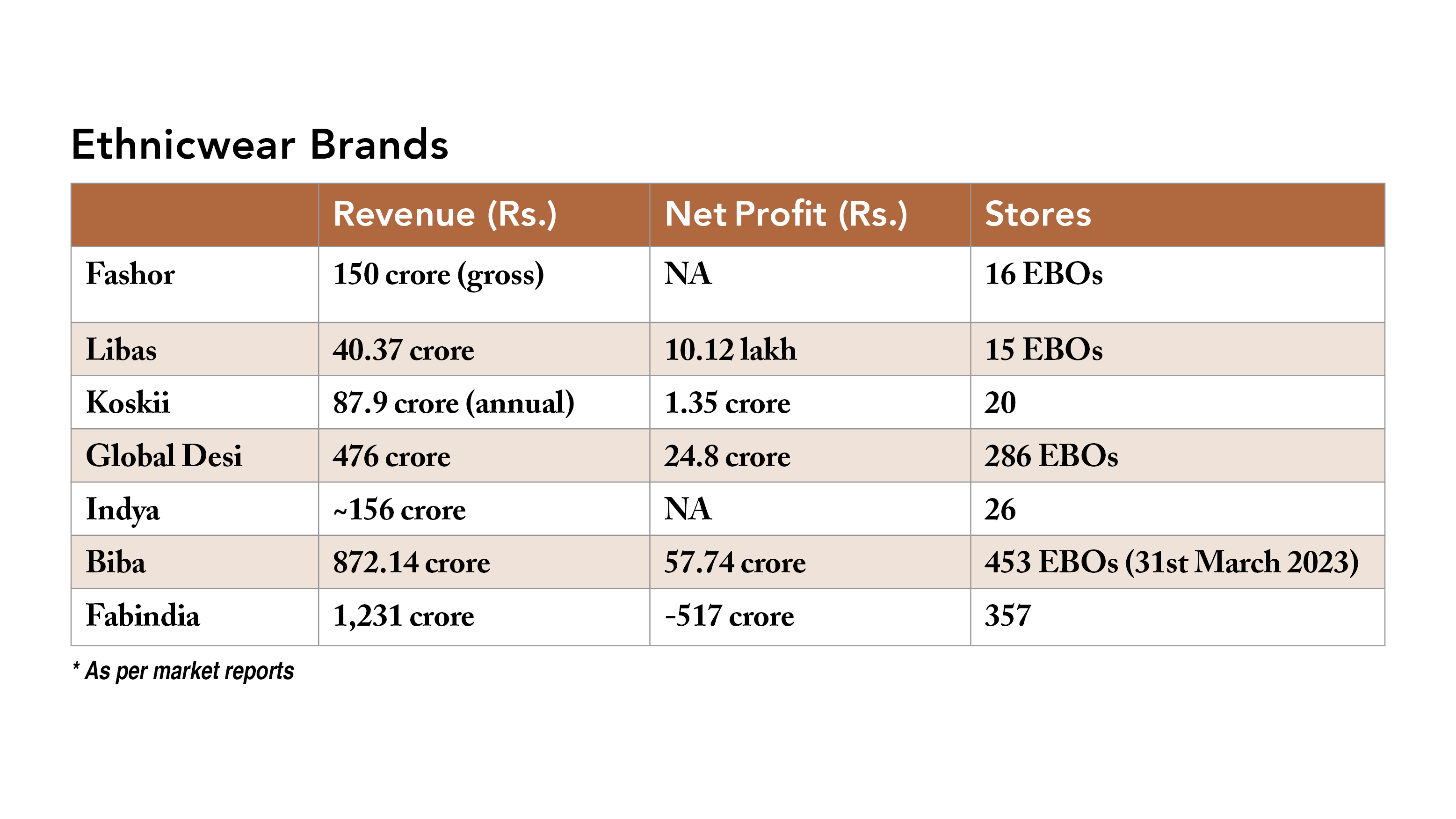
AR: It seems that the ethnicwear brands focusing on Gen Z, are drawing the attention of venture investors. For instance, in May, Libas raised Rs. 150 crore (US $ 18 million) from ICICI Venture, while Bengaluru-based Koskii secured Rs.61 crore (US $ 7 million) from Baring Private Equity last year.
Vikram: The interest in ethnicwear brands, particularly those catering to Gen Z, is driven by several factors. Gen Z consumers are increasingly seeking brands that align with their cultural values while offering modern, trend-driven designs. Brands like Fashor, which blend traditional aesthetics with contemporary fashion, are uniquely positioned to capture this market. Investors see potential in tapping into this demographic, which is both large and increasingly influential.
The rise of social media has really boosted the visibility of these brands, making them really attractive to venture capital. It’s great how they can innovate and quickly adapt to fashion trends while still staying true to their cultural roots, which makes them appealing to investors.
Speaking of our audience, our main customers are working professionals, homemakers and style-conscious millennials who want trendy, high-quality clothes at a fair price. We serve customers in Tier-1, Tier-2 and Tier-3 cities and most of our customers are from middle-income to upper-middle-income families.
Our products are priced between Rs.1,000 and Rs.4,000 while the average selling price typically falls around Rs.1,500 – Rs.2,000, depending on the product category.
AR: How do investors monitor their investments in brands to ensure effective use of funds and can too much oversight affect the brand’s decision-making process?
Priyanka: Investors typically employ a combination of governance mechanisms and regular monitoring to ensure their capital is used effectively. This includes having board representation, which allows them to participate in strategic decisions. Additionally, investors set clear milestones and KPIs that the brand must achieve within specific timelines. Regular financial reporting and operational reviews are also standard practices, enabling investors to track the progress of the brand closely.
While I appreciate the insights and guidance investors bring to the table, excessive monitoring can sometimes slow down decision making. It’s crucial to maintain a balance where investors are informed and involved, but not to the extent that it stifles agility and innovation. We’ve been fortunate to work with partners like Blume Ventures who trust our vision and allow us the space to operate efficiently. The key is open communication and mutual trust, ensuring that both parties are aligned to the broader goals without micromanaging the day-to-day operations.
AR: What’s your turnaround time and how do you ensure that all your vendors are aligned with your vision?
Vikram: We pride ourselves on being a ‘Made in India’ brand and all our merchandise is sourced domestically. Our turnaround time is typically around 30-45 days, from design to delivery. Selecting the right vendors is crucial to maintaining the high standards we promise our customers. When choosing vendors, we evaluate them on multiple criteria, starting with the quality of fabrics and materials they provide. We work with vendors who have a proven track record of delivering high-quality textiles, whether it’s cotton, silk or blended fabrics.
We expect our vendors to meet strict timelines, given that we launch over 200 styles every month. We also prioritise vendors who follow ethical and sustainable production practices.
Finally, we have a strong focus on cost efficiency. Regular audits, clear communication and collaborative planning sessions are part of our approach to maintaining alignment.