Moving one step more towards sustainability, more than 500 global brands including Walmart, Patagonia, Nike, Inc., H&M and VF Corporation have committed to using the latest version of the Higg Brand & Retail Module (BRM), a value chain sustainability assessment tool.
The tool is released today by the Sustainable Apparel Coalition (SAC) and its technology partner Higg.
The brands will use the Higg BRM over the next two years to gain a deeper understanding of their own operations and their value chain practices with the goal of improving social and environmental impacts and working together to fight the climate crisis.
Starting today through 30 June, SAC member brands and retailers have the opportunity to use the Higg BRM to self-assess the social and environmental sustainability performance of their 2020 business and value chain operations.
Then, from May to December, companies have the option to verify their self-assessments through an approved third-party verification body.
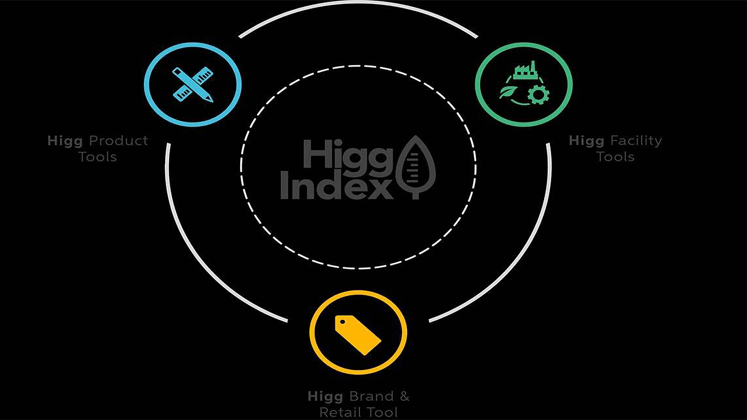
One of the five Higg Index sustainability measurement tools, the Higg BRM enables evaluation of the social and environmental impacts of brands across a wide range of business operations, from packaging and transportation of goods, to the environmental impact of stores and offices and the well-being of factory employees.
The assessment measures 11 environmental impact areas and 16 social impact areas.
Various brands have welcomed this step. Kate Heiny, Director Sustainability at Zalando SE and Claudia Boyer, Design Director for Buffalo Corporate Men, Roberto Taiariol, Internal Audit & Sustainability Director, Benetton Group are of the view that it allowed them to benchmark their current environmental performance and set bold targets for reduction of chemicals and water consumption in their denim production.
Another new feature of Higg BRM is its alignment with the Carbon Disclosure Project (CDP), facilitating the streamlining of data entry around carbon emissions.
The CDP supports thousands of companies, cities, states and regions to measure and manage their risks and opportunities on climate change, water security and deforestation.
When companies use Higg, they will save time on carbon data collection, alleviating reporting fatigue. They can increasingly use Higg as a “one-stopshop” for sustainability assessment and data analytics and leverage comprehensive insights without having to duplicate efforts already undertaken for other assessments.