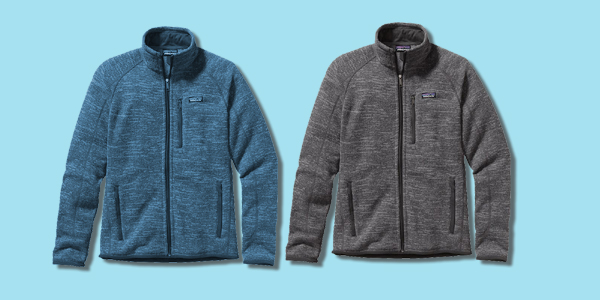
 In a recent study commissioned by Patagonia, an outdoor clothing company, it has been revealed that during laundering, a single fleece jacket sheds nearly 250,000 synthetic fibres, all being released into public waterways, equivalent to almost 11,900 grocery bags.
The study was done on the iconic and well-loved fleece manufactured by the company, which were washed multiple times, both in top and front-loading machines, where effluent was collected after each cycle and out through a two-step filtration system that captured fibres. Following this, the jackets were put through a 24-hour ‘killer wash’, which the company uses to stimulate the aging of a garment.
Also Read – OutDoor ’16: 900+ exhibitors to present innovations
It was observed that there is 80 per cent more fibre release as the garment ages, when the mass of the fibres was calculated. It was also noted that the use of a top-load machine causes five-time more fibre loss as compared to a top-load machine. On an average, a jacket releases 81,317 fibres.
The scientist who conducted the study suggested that the study should be applied on a wider selection of apparel items, as polyester, the main fibre used in garments, accounts for 10.8 per cent of the plastic in influent waste-water.
Jill Dumain, Director – Environmental Strategy, Patagonia suggests that international third-party testing standards groups such as ASTM can take up protocol and develop testing methods for fibre loss as well. The company plans to present their findings at the Outdoor Retailer Trade Show in August this year.