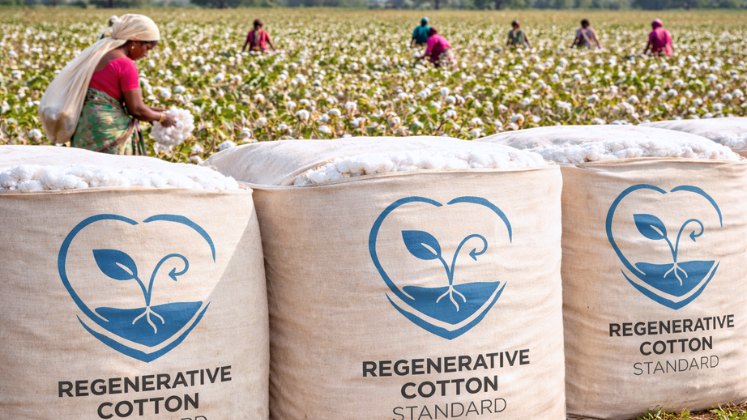
India is strengthening its position in sustainable textiles as thousands of its smallholder farmers adopt regenerative cotton practices, even as global momentum for environmentally responsible agriculture accelerates.
According to a report by Aid by Trade Foundation, around 5000 Indian farmers—primarily in Maharashtra— are now certified under the Regenerative Cotton Standard (RCS), following the latest round of independent third-party verifications.
The certification allows Indian farmers to offer fully traceable cotton, from farm to finished product, through a dedicated tracking system—an increasingly important requirement for global fashion brands seeking transparency and sustainability in sourcing.
Auditors noted strong compliance among Indian farmers with RCS standards, particularly in areas such as fair working conditions, transparency, soil restoration and biodiversity protection. This reflects a broader structural shift in India’s cotton ecosystem, where regenerative agriculture is gaining traction as a response to climate pressures and soil degradation.
The programme has also led to tangible improvements on the ground. Farmers in India have benefited from expanded training initiatives, including the development of demonstration farms that promote best practices in regenerative cultivation. There has also been increased adoption of water conservation techniques and improved access to protective equipment, contributing to better health and safety outcomes.
The RCS framework focuses on improving soil health, enhancing biodiversity and strengthening farm resilience, while also delivering economic benefits to smallholders. For India—one of the world’s largest cotton producers—such initiatives are increasingly critical as the textile sector faces mounting pressure to decarbonise and ensure sustainable sourcing.
Industry stakeholders view India’s participation as strategically significant, given its scale, established cotton value chain and growing alignment with global sustainability standards. With international brands placing greater emphasis on traceability and environmental accountability, India’s regenerative cotton push is expected to play a pivotal role in shaping the future of sustainable textiles.