The Government is developing an integrated tax framework for India’s textile sector to provide greater tax certainty and reduce costs related to raw materials and machinery.
The proposed framework may cover Goods and Services Tax (GST) on textile products and inputs, basic customs duties on raw materials and imported machinery, and anti-dumping duties on selected man-made fibre and yarn imports.
The initiative aims to address cost pressures across the textile value chain, from fibre and yarn production to fabric manufacturing and finished garments. It also seeks to improve the competitiveness of Indian manufacturers in international markets.
The Department of Revenue is working with the Ministry of Textiles to examine the proposals submitted by industry representatives. The government is also focusing on expanding textile manufacturing, promoting technical textiles, upgrading traditional textile clusters and increasing India’s share in global markets.
The move comes alongside preparations for the Rs 40,000-crore Textile Expansion and Employment Scheme, announced in the Union Budget for 2026-27. The scheme is intended to support machinery upgrades, technology adoption and common testing facilities in traditional textile clusters.
Industry representatives have argued that investment incentives alone may not be sufficient without addressing uneven duties on raw materials, intermediate products and machinery.
The textiles ministry has sought the removal of customs duties on caprolactam, nylon chips, rayon-grade wood pulp and cotton.
It has also recommended removing or deferring anti-dumping duties on elastomeric filament yarn and viscose rayon filament yarn, citing their impact on downstream manufacturers, micro, small and medium enterprises (MSMEs), and employment.
Separately, industry representatives have requested a six-month waiver of basic customs duties on five polyester-chain products: monoethylene glycol (MEG), purified terephthalic acid (PTA), partially oriented yarn (POY), fully drawn yarn (FDY) and drawn textured yarn (DTY).
The requests follow the withdrawal of temporary duty exemptions on MEG and PTA in July, which prompted renewed calls from the industry for measures to support domestic manufacturing.
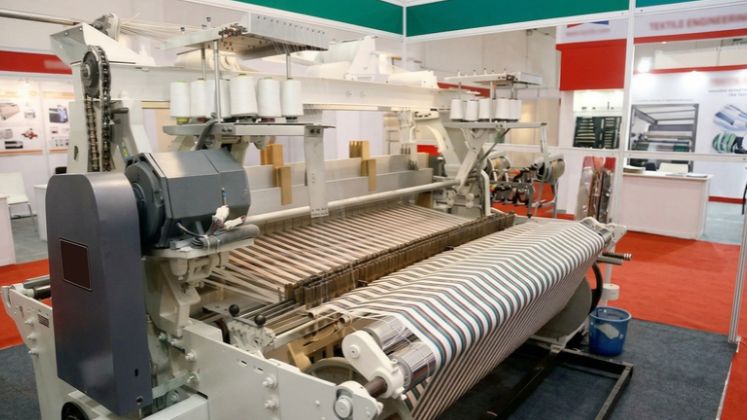
The textiles ministry has also asked the Department of Revenue to review the duties and costs associated with imported textile machinery.