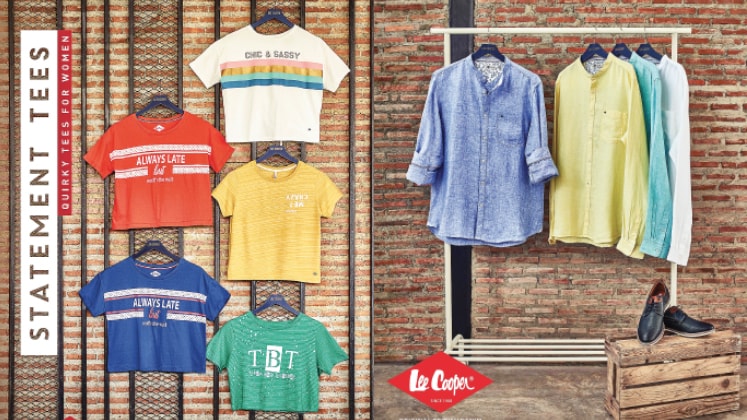
Thriving under the umbrella of one of the biggest retailers in India, Future Lifestyle Fashions, Lee Cooper Brand is an English clothing company, operating worldwide, that licenses the sales of many Lee Cooper-branded items, including its most popular product – the denim jeans. Based out of London, England, it started off as a workwear exporter, and eventually found its strength in being a strong denim retailer in the 1930s. In 2013, Iconix Brand Group acquired Lee Cooper from Sun Capital Partners.
The brand’s USP lies in its wide range of offerings for menswear, womenswear and kidswear alike in both apparel and footwear. Serving the target audience of young individuals (18-30 years) spanning young adults to firs jobbers to early settlers, to sport their cool, relaxed and easy-going character – the brand recorded sales worth Rs. 568 crore as per the Future Lifestyle Fashions annual report for 2018-2019. As per Kishore Biyani, MD, Future Group, “Lee Cooper is among our flagship brands, and over the years, we have invested in growing this brand. During the years under review, we added the footwear franchise to its portfolio and introduced new products in the market. This will further aid the growth of the brand and generate higher returns from the investments we make in this brand.
This year’s Lee Cooper television campaign received over 7 million views on different social media platforms. With the addition of the footwear franchise, we believe the brand now has the potential to emerge among the largest consumer brands in India.”
The inception of the brand dates back to more than a century, as it was started in 1908. From here, it got its USP of tremendous experience with its loyal customer groups. In a candid conversation with the CEO of Lee Cooper, Hetal Kotak, Apparel Resources discusses the promising future the brand has carved for itself in India, and the sourcing network it relies on to run these operations smoothly.
The confluence of two powerhouses
Lee Cooper boasts of a powerful combination of verticals, apparel and footwear categories. “We celebrated its 110th anniversary last year; it was great,” says Hetal, further adding, “Lee Cooper’s proposition is that it’s an on-trend brand that commercialises fashion. The pricing is competitive and the customer feels compelled to the proposition of buying. The business is a synergised combination of two powerhouses: apparel and footwear. Most of the business models have footwear as an extension, and in some cases, a small assortment of apparel is an extension to the core footwear business, but not for us. The apparel and footwear verticals thrive independently as two separate businesses and have two distinctive teams working for their supply chains.” They acquired the footwear license around a year back and the apparel license has been with the Future Group for the last 10 years now.
He identifies footwear as a market that has immense potential, as is shown in its high sales value for Lee Cooper. The brand retails via distribution models, through large format stores, and other relevant business models. It is a go-to for many shoppers who look for one-stop store solutions, with a wide bouquet of assortment. For apparels, menswear is 50 per cent, womenswear is 30 per cent and kidswear is 20 per cent. In kids, it is considered as one of the strongest brands in all perspectives as it enjoys a loyal group of customers and the idea is to catch them young. As Hetal says, “We hope that the consumers keep on coming back when they shop with us at least once. We are focused on menswear, womenswear, and kidswear, but it’s a jeanswear-led brand and more of a lifestyle brand as well.”
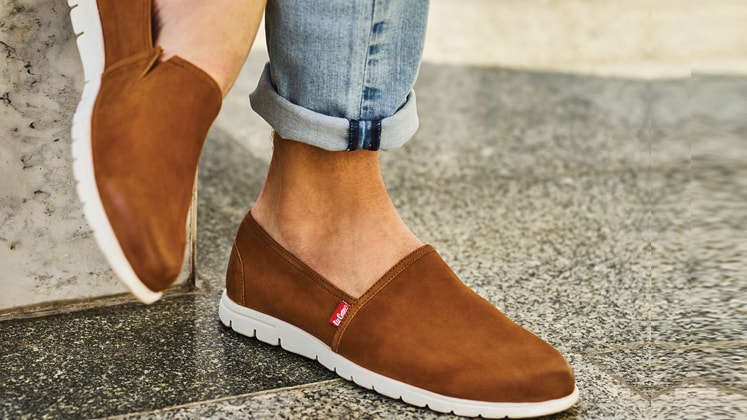
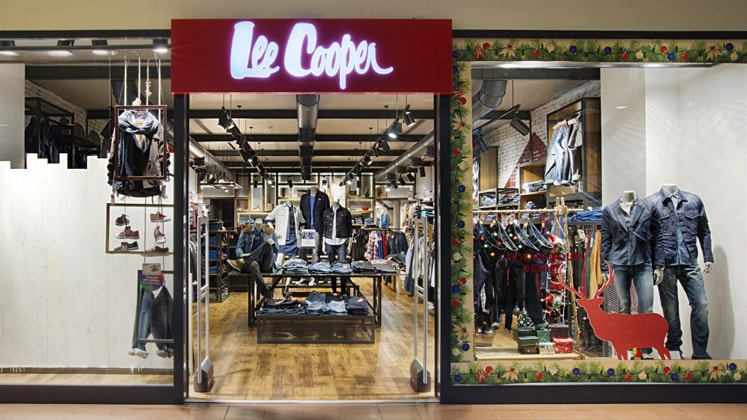
For apparel, it has about 1,800-2,000 point of sales, and in case of footwear, it’s more than 2,800 point of sales, as it is a larger network of stores. Footwear is a distribution-led segment, because across every tier of the market in any town, there is a place that will have many footwear stores huddled together, especially on the high street market clusters in smaller towns such as Patna, Baroda, Kanpur, etc. The brand is present across all large format stores and has recently piloted a unique concept of exclusive brand stores where it is extrapolating the idea of presence of both its verticals – footwear and apparel, and giving justice to both these segments and making the customers find out the potential of the wholesome offering that Lee Cooper has. It has also piloted many airport stores that are reporting very exciting responses. It is an extremely widespread brand across several cities in India and is even available on select e-commerce portals.
The buying-sourcing strategies for a wide assortment
The sourcing for the brand is at a very large scale for both the verticals, owing to the diversity of styles that the brand offers. For footwear, it focuses on sourcing markets like Agra, Ambur near Chennai, little bit of Kolkata and some areas in Bombay. It also recently launched the women’s collection in footwear, after acquiring the footwear business from the previous licensee. Men’s collection is more leather-driven and the clusters in Agra and Ambur serve as the biggest sourcing hubs. They source from these clusters and then partner with vendors to create the collections.
In case of apparels, Lee Cooper thrives via multiple sourcing partnerships, as Hetal avers, “The largest of exporters are working with us due to the large scale of sourcing and we also import select product categories from several countries. A few categories in the women’s merchandise offerings are sourced by several Chinese vendors, as they are very competitive and have more variations of fabrics. So the trend-led and fabric-innovation products are sourced from there, as we keep our minds open and try to acquire the best product for our customers. Other countries such as Vietnam, Bangladesh and Sri Lanka are also among our favoured sourcing hubs.”
The blurring boundaries between sportswear and activewear clothes, is being tapped by Lee Cooper in a big way, as shoppers wearing clothes to actually play sports are definitely there, but performance-led lifestyle products are proving to be highly in demand. Lee Cooper offers collections that are inspired by athleisure, equipped with smaller details that are sports-inspired, be it graphics, prints, trims, silhouettes, etc., that bring in the desire of the customer to be sporty yet wear clothes that qualify for almost all occasions.
Some of these are sourced from India as they look like performancewear via visual representation and aesthetic language in line with their on-trend brand offering.
The buying and planning operations for the brand happen on a customisation basis, to suit the geographical and demographic variations of the Indian subcontinent. Hetal elucidates, “There is some customisation involved in the merchandise planning processes, as the brand offers a holistic assortment, and the customisation happens in the buying and allocation at the store level where the regionality is taken care of. For instance, in the north-east areas, the size must be adapted to the local requirement, so basically buying is holistic, but the selection is regional.”
Strong sourcing backup to support one of the most diversified offerings in India has made Lee Cooper successful. The brand is garnering several new customers and is seeing positive growth in sales that it has witnessed in the previous few years. Hetal concludes: “We are on a good path of sustainable business, and we definitely want to continue growing. We have been able to achieve good acceptance on our new products and lines. We want to grow at the rate of 20-25 per cent per annum.”