India’s fashion shoppers have stopped buying more and started buying better. A Deloitte study finds the industry entering a more mature phase of growth, as consumers move away from volume-led buying towards intentional, quality-driven and experience-led consumption. The numbers show how quickly that shift is playing out.
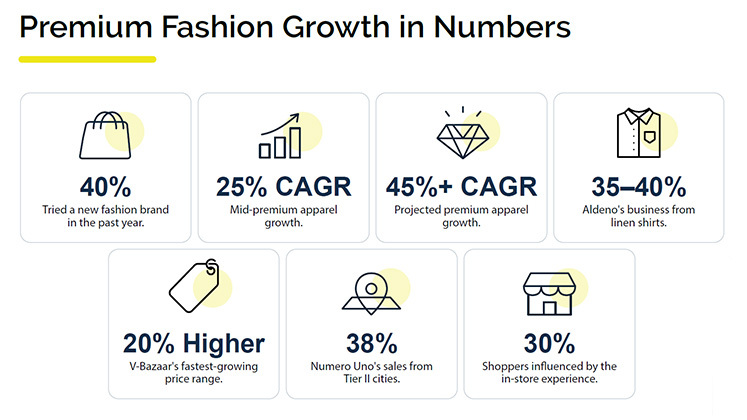
Close to 40% of consumers tried a new fashion brand in the past year, the study notes, driven by trusted recommendations, social influence and price points that make premium quality easier to reach. Emerging and mid-premium brands are gaining the most, especially among younger urban shoppers who want something different without paying much more. Experience matters as well: about 30% of shoppers say the sensory, in-store experience is a key influence on what they buy.
The growing appetite for higher-value fashion is reflected in market projections. Mid-premium apparel, priced between ₹3,500 and ₹7,000, is growing at a CAGR of around 25%, while premium apparel is projected to grow at over 45%, driven by rising aspirations, higher disposable incomes and a greater willingness to invest in quality-led fashion.
“India’s apparel market is seeing selective trading up, with consumers upgrading for occasions or for products offering better fabric, fit, durability, craftsmanship or a distinctive silhouette, while keeping overall wardrobe spending disciplined. The shift is towards paying more where the difference matters, rather than moving the entire wardrobe up the price ladder,” said Praveen Govindu, Partner, Deloitte India.
Brands, too, say shoppers are willing to pay more where the value is visible. “We are seeing a gradual shift towards higher-value apparel, especially where the customer can clearly experience a better product,” said Abhishek Anand, Brand Business Head, House of Aldeno-CIEL Group, a D2C luxury menswear and shirt brand based in Bengaluru.
Part of the CIEL Group, Aldeno operates in the mid-premium band, with an average selling price of around ₹3,500 and ranges that go to ₹5,000 and above. “Customers are becoming more selective. They may not buy more shirts, but they are increasingly willing to invest in the right shirt when the value is visible and genuine,” he said.
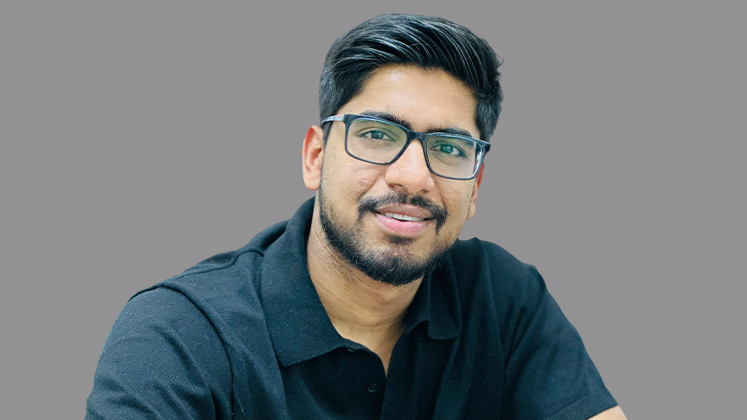
V-Bazaar Retail has done exactly that. Its average selling price has risen by a high single-digit percentage a year over the last two to three years. Roughly half of that comes from customers trading up, and the rest from input-cost increases passed on. “Someone who usually buys a ₹299 shirt may pick a ₹399 or ₹499 one because they like the fabric or design,” said Raghav Agarwal, Director, V-Bazaar Retail. The retailer, which currently operated nearly 130 stores is aiming for ₹2000 crore turnover in the next 4 years.
Which Products and Price Segments Are Driving Growth
For Aldeno, premium, fabric-led products are pulling the average selling price up. Linen shirts, priced at around ₹3,999, now contribute roughly 35-40% of the business. EverSharp, its non-iron shirt range, and Quattro Flex, its four-way-stretch knitted range, are also seeing strong traction, with Quattro Flex, priced at ₹4,999, getting particularly good recognition.
Dhingra believes the mid-premium range will win. “The sweet spot will be the mid-premium range. People want good quality and a brand they trust, but they don’t want to pay luxury prices. That favours brands with real manufacturing depth and consistency over trend chasing,” he said.
V-Bazaar’s core range still carries most of the business. The fastest growth is coming from products priced roughly 20% above the entry-level range. Ethnic wear, festive and occasion wear, and well-designed kidswear are leading that demand.
“The higher-priced range is growing faster in percentage terms, but it is still a smaller part of revenue, in the low double digits. We have to keep that base in mind. It is adding business, while the everyday range remains stable,” said Raghav.
Is Premium Demand Reaching Beyond the Metros?
Growth is broadening beyond the big cities. Around 38% of Numero Uno’s total EBO/MBO sales comes from Tier II cities and Tier III cities contribute approximately 19%. “Social media and online shopping have narrowed the aspiration gap: smaller-city shoppers are not just brand-aware but asking for trending styles and better quality,” said

. Its fastest-growing cities include Hyderabad, Chandigarh, Ambala, Varanasi and Anantnag, and the brand is fast expanding its reach in the East, where retail and fashion are growing quickly.
He added, “Our range of jackets and España denim styles are doing well with shoppers who are looking for elevated looks and fabrics.”
Anand sees potential beyond the metros too, helped by digital discovery making better products available across India. “Customers outside metros are increasingly informed. They compare fabric, fit, finish, reviews and value more carefully than before,” he said, adding that this will shape Aldeno’s digital reach and future offline expansion.
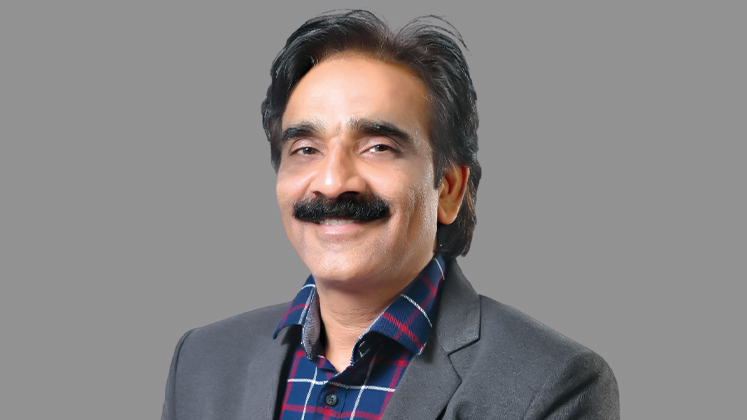
“India’s apparel opportunity extends well beyond its largest metropolitan centres. For KKCL, this creates an opportunity to strengthen our presence in markets where consumers are looking for branded denim and contemporary casualwear at accessible price points,” said Hemant Jain, Joint MD, KKCL. The company, which operates a portfolio including Killer, Lawman, Easies, Integriti, and Kraus, expects its revenue to grow at a three-year CAGR of around 20% when inorganic growth is factored in.
For V-Bazaar, smaller markets are about choosing a better product for a particular need. “Weddings and festivals are where we see customers more willing to spend extra,” said Agarwal. Yet higher selling prices do not automatically translate into higher profitability. The gains depend on whether brands can sustain full-price sales and manage the additional costs of premium products. “Compared with core products, premium ranges can offer more room for margin, but the realised advantage depends on selling at full price. If demand is overestimated and collections require heavy markdowns, that advantage can disappear,” said Praveen.