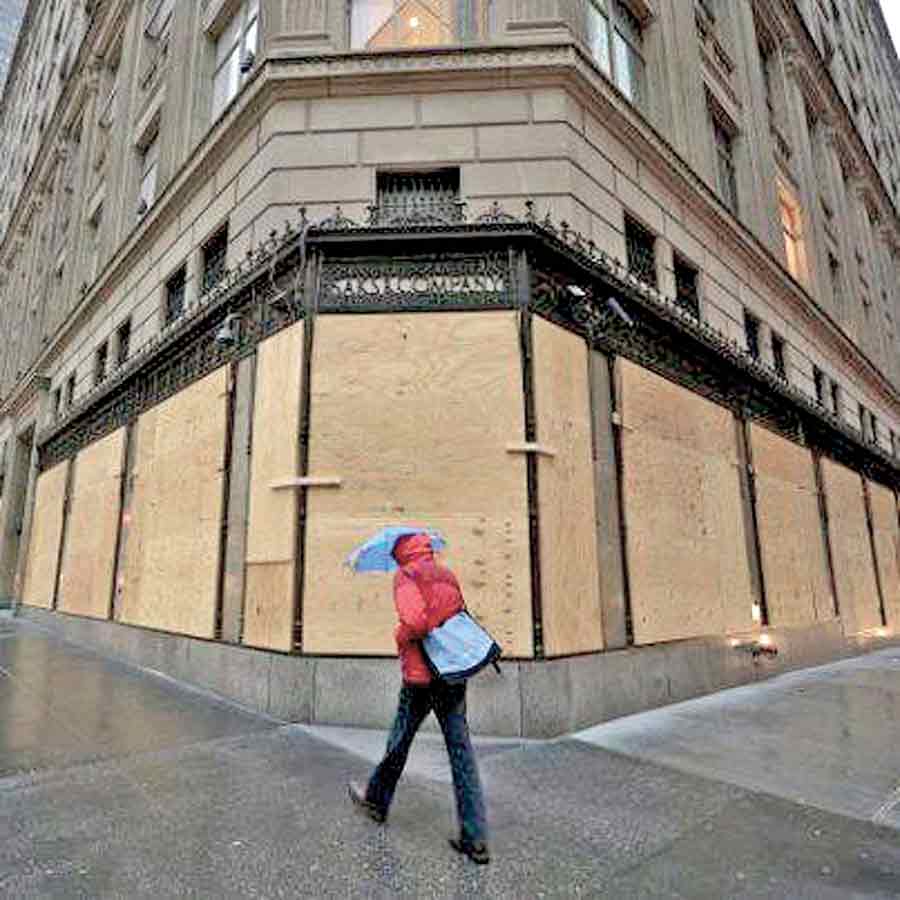
 As Hurricane Sandy washed up the East Coast, a lot of US retailers and major brands were forced to put a halt to their sales and close up to 10% of their stores; the impact was greater as the week was a run-up to the annual Halloween celebrations. With everyone trying to go back to their normal lives and retailers reopening their stores, analysts are weighing both the current and long-term impact of the storm on apparel and footwear sales. The figures would add up to the estimated US $ 25 billion loss to the retail industry…
After being hit by one of the costliest natural tragedies till date, department chains and specialty retail chains have suffered losses, not only because consumers stayed away over the weekend (when major sales occur) for the preparation of the storm, but also because apparel will be the last thing on their minds for a while now. While grocery retailers benefited from customers stocking up before the storm, and the home-improvement retailers expected to gain from the clean up, the clothing and department stores have been hit hard and do not have the same opportunity to recoup losses. While the home depots and retailers offering clean up merchandise might witness increased traffic, the malls and apparel retail outlets are likely to look like ghost halls.
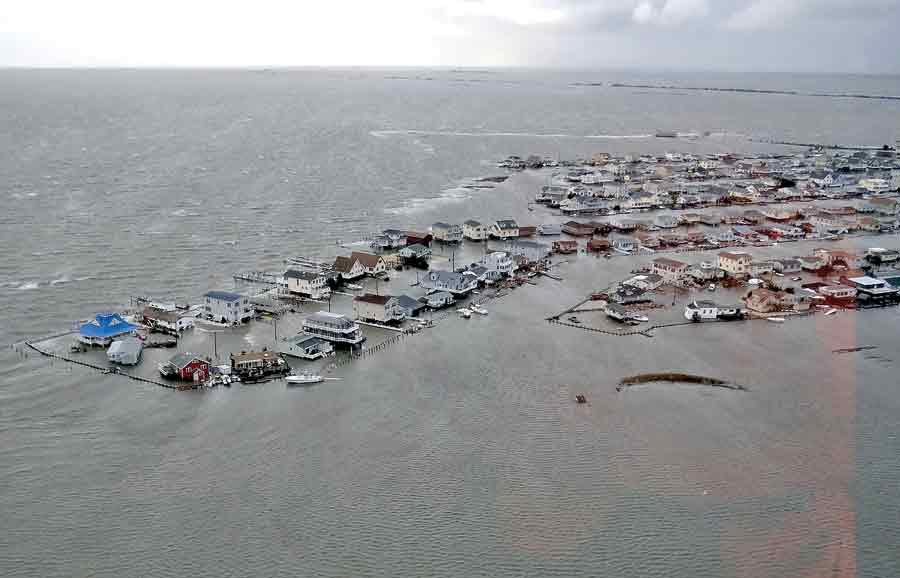
In fact, retail analysts predict that the clean up and replacement spending is likely to cut deeply into the holiday budgets of the consumers, and if the past experience of Hurricane Irene, which hit the USA East coast in August 2011 repeats itself, Santa’s bag is going to weigh a lot lighter than the previous year, as the impact of losses/damages due to Hurricane Sandy are projected to be doubled or even tripled to that of Hurricane Irene, which estimated a loss of around US $ 15.6 billion. Sandy is estimated in early calculations to have caused damage of at least US $ 20 billion, while preliminary estimates of losses that include business interruption surpass US $ 50 billion, which, if confirmed, would make it the second-costliest Atlantic hurricane in history, behind only Hurricane Katrina.
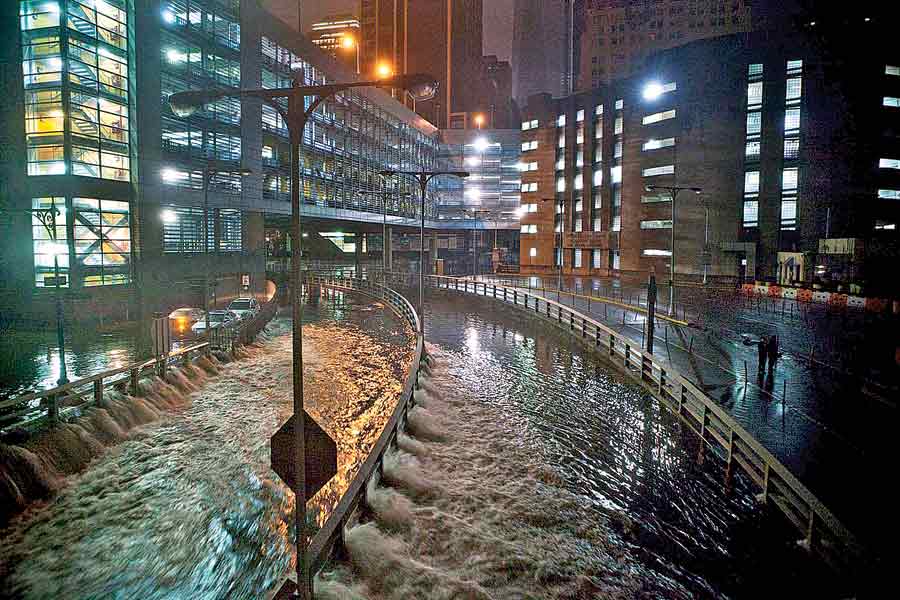
Threatening to reduce sales of clothes and holiday gifts during one of the most important shopping months of the year, Sandy may have cut November same-store sales by as much as 3%, with a traffic fall of about 40% in the first week of the affected areas, which accounts for about 22% of the total month’s sales. As per the reports of the National Retail Federation, the holiday season this year was already projected to be relatively mute at the retail front, as the sales were expected to grow just 4.1%, the lowest level since the US was coming out of the recession in 2009. Last year, seasonal sales rose 5.6%. But, despite the fact that projections for sales growth was low, the holidays were expected to deliver as much as US $ 8 billion dollars in sales for retailers nationwide as per the consumer surveys held earlier this year. The storm has just added to the woes of the retailers and the apparel retailers, who were already losing sales because of store closures and diminishing footfall, and may now have to further reduce prices and increase their promotional activities, to drive consumers into stores especially in the impacted regions.
While some retailers might see the hurricane as a mere hiccup in their trade after a strong rise in their October sales, the loss of activity is something that will be hard to make up. Even as many retailers and analysts were expecting the consumers to put off holiday shopping until after the election, a day or two of lost sales is painful for the stores in holiday season.
Chains like Walmart and Target were able to cope with their losses with their home and hardware merchandise, but the apparel chains have been deeply disrupted. While Macy’s lost around 30% of its sales due to the storm, the highest for any of the US retail chains, Saks stores are predicted to have diminished their sales by 27%. Combination of store closures and severely depressed traffic levels made certain brands try different ways to make up for the lost revenues. With so many people forced to stay in their homes, various retailers took this opportunity to reach potential shoppers with hurricane promotion sales. A number of retail chains and retailers including American Apparel, Urban Outfitters, Costco, Old Navy, JCrew, Anthropologie and Barneys were offering Hurricane Sandy web discounts during the storm in order to meet up their footfall losses through online sales.
While the brands claimed that the sales were aimed to encourage online shopping as opposed to venturing out to stores in unsafe locations, groups of people have criticized the move as a distasteful step to make money from the tragedy. While the retailers have survived the storm physically intact, the social media backlash has caused some severe reputation damage. At the same time as the total economic impact from the super storm Sandy will play out over time, the short-term effects have already begun to surface, and are poised to leave a significant mark that will be referenced for years to come.






 Bharat Tex Special Report 2026