
With the festive season approaching, discounts are once again set to play a major role in stimulating demand. These markdowns are deeply embedded in Indian consumer expectations, helping brands attract customers and move inventory.
However, the role of discounting is changing. Industry leaders say it is no longer the primary driver of sales, but one part of a broader growth strategy. Consumers are increasingly willing to pay full price when they see clear value in a product, with quality, brand appeal, shopping experience, availability and customer service all influencing purchase decisions.
A Deloitte report found that nearly 40% of consumers tried new fashion brands over the past year, suggesting that shoppers are increasingly open to brands that offer the right combination of product, experience and value rather than simply the deepest discount. The shift is also visible in stores, with 30% of shoppers identifying sensory and in-store experiences as an important factor influencing their fashion purchases.
Our conversations with Libas, Globus Fashion, Monte Carlo and Faezaah by Womancart point to a similar shift. Over the past five years, the share of sales generated through promotions and discounts has remained broadly stable, supported by improvements in merchandising, demand forecasting and inventory planning. At the same time, brands have seen healthier fullprice sell-through, with a significant share of inventory continuing to sell at regular prices.

“Seasonal sale periods, including EOSS, festive campaigns, and major online shopping events, continue to be important contributors to annual revenue by attracting new customers, increasing engagement, and supporting inventory management. At the same time, consistent sales throughout non-promotional periods demonstrate our ability to maintain steady demand through differentiated product portfolio, loyal customer base, and enduring market appeal,” said Nisha Khatri, Head of Marketing, Libas, an ethnic fusion wear brand for women.
She added, “As a result, we have been able to reduce dependence on broad-based discounting and focus on creating collections that are better aligned with what consumers are looking for. This is a broader trend we are seeing across the industry as well.”
Similarly, Ranganath Kuppur, CEO of Globus Fashion, a women’s lifestyle brand, pointed out that the company’s growth is driven by a balanced mix of promotional and non-promotional sales.

“Product quality, convenience, delivery speed, brand trust, and overall shopping experience play a much larger role in purchase decisions than they did a few years ago. We are seeing multiple consumer segments emerge, with some actively waiting for sale periods, while others are willing to pay full price when they perceive strong value or product relevance,” said Ranganath Kuppur.
He added, “Discounting tends to be more effective in seasonal fashion, occasion wear, and highly trendsensitive categories where product lifecycles are shorter. Whereas, core essentials, evergreen styles, and replenishment categories generally exhibit stronger full-price performance.”
At Globus Fashion, EOSS contributes approximately 18-20% of the company’s annual sales.
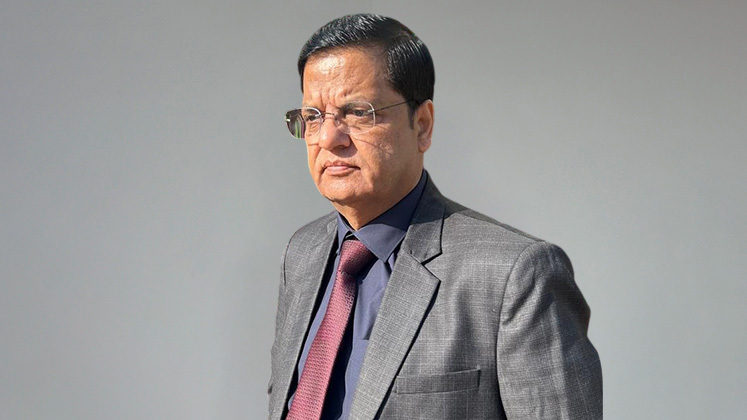
For brands with more predictable demand and stronger core categories, the approach is even more targeted. Karam Singh Jaswal, Senior Manager at Monte Carlo, known for its winterwear, said, “A significant portion of our core and fast-moving products is sold at regular prices, with discounting largely reserved for end-of-season merchandise and slower-moving categories.” The shift is also being supported by changing consumer shopping habits.

Madhu Sudan Pahwa, MD, Faezaah by Womancart, a women’s traditional and fusion apparel brand, said, “The rise of convenience-led shopping, quick-commerce models and faster fulfilment has also encouraged more need-based and impulse purchases throughout the year rather than only during sale periods.”
Experts also pointed out that a growing number of brands are successfully adopting ‘honest pricing’ strategies, where products are offered at fair everyday prices rather than relying heavily on frequent discounting.
Technology is also changing how brands approach discounting, giving retailers more scope to move beyond blanket markdowns and make promotions more targeted. AI and advanced analytics can help brands track customer behaviour, purchase history and demand patterns in real time, enabling them to decide when to discount, which products to promote and how much to mark them down.
As the market evolves, brands may increasingly compete not on the depth of their discounts, but on their ability to create demand without relying on them.