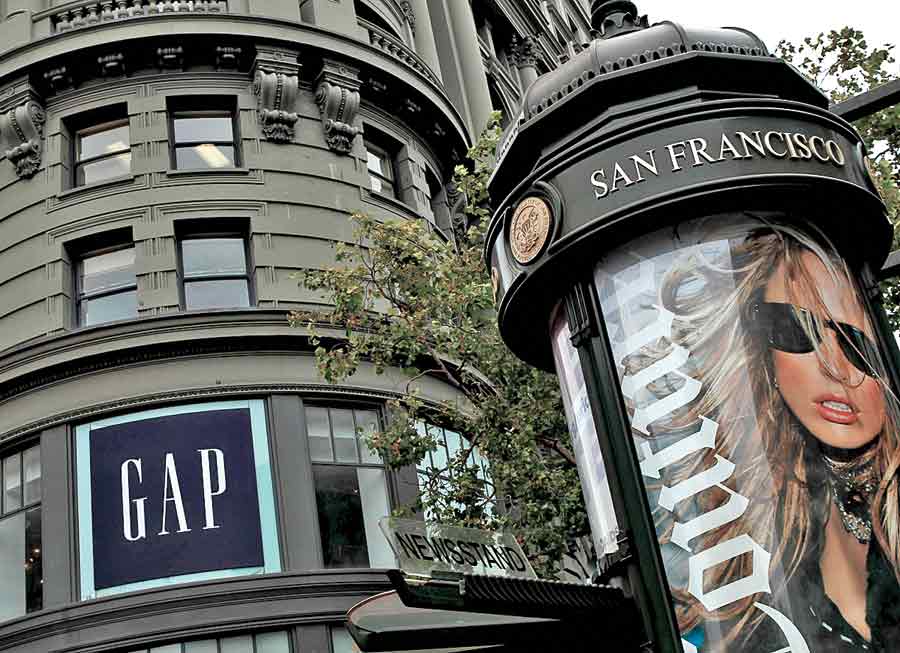
With the old notion of a linear customer journey being splintered into a mosaic approach, where shopping is anywhere and everywhere, it has become more critical for retailers to draw in consumers and make sure they do not exit empty handed. The logic is quite simple; if a retailer is successful in creating something for everyone then he has a flourishing brand or at least a surviving one in the current scenario. Noticing the change, many retailers and designers like GAP, Zara, H&M, Burberry, Hermes, Estee Lauder, Tommy Hilfiger, Donna Karan, Ralph Lauren have taken a look into other opportunities, and thus have diluted their specializations to make a brand that caters to every segment and demand of the consumers, becoming a one-stop-shop for all requirements…
n today’s market conditions, the urge to remain ‘exclusive’ has been superseded by the need to attract customers and as brands have started taking a more considerate look at the consumers’ demand in order to generate sales, one trend that has emerged as a winner is, offering the shopper with a bucket full of options, increasing the probability of sales. Apparel retailers have added accessories and home furnishing, while jewellery specialist have thrown in garments and shoes, and home stores have expanded line of options, even high-end designer brands have introduced prêt lines, while mass retailers have associated with designers to create exclusive lines, all hoping to be mini all-purpose stores offering multiple choices on products.
[bleft]Closely following the consumer’s needs and wants, brands like Zara, H&M and Uniqlo have successfully managed to stock something for everyone. A triumphant product mix of booming brands in today’s retail also offers elite fashion to masses in various product categories, right from apparel to accessories. [/bleft]
Closely following the consumer’s needs and wants, brands like Zara, H&M and Uniqlo have successfully managed to stock something for everyone. Around 60 per cent of the products at Zara are permanent and the remaining 40 per cent vary continually as per the consumer demands. As per the company estimates, customers visit a Zara store 17 times a year on an average, compared to four visits for other fashion firms offering only apparel. H&M and Uniqlo, apart from their vast assortments, offered its consumers in 2012 complete family collections, which provided clothes for the entire family, an extension strategy that managed to rope in both attention and sales for both the brands.
H&M’s tie-up with celebrities and designers for high-end offerings is already well-documented. The retailer is also one of the first mass market specialty stores to launch its new luxury brand ‘& Other Stories’ in a bid to capture the upper end of the market. GAP has followed with the acquisition of INTERMIX Holdco Inc., the New York-based multi-brand specialty retailer of luxury and contemporary women’s apparel and accessories.
A triumphant product mix of booming brands in today’s retail also offers elite fashion to masses in various product categories, right from apparel to accessories. A satisfaction or mindset of getting the luxury looks at pocket-friendly prices have helped retailers to increase sales for ages, but it is only now that these styles fly off the rack in a blink of an eye. A strategy well adapted by retailers like New Look, Mango, Vero Moda, Only and Next. The Jason Wu for Target and Mary Katranzou for Topshop are recent examples of offering loyal and new consumers with high-end products at consistent prices.
In the meanwhile, Laura Ashley, retailer for fashion and homeware is expanding into menswear with the launch of its first collection of men’s shirts in March. ‘Man at LA’, which includes 14 shirts in stripes, checks and plain designs, will be available in sizes small to extra large within a price range from £ 50 to £ 70 (US $ 110.10). And Coach, the accessories brand known for its coveted C-covered purses, clutches and wristlets, is looking at venturing into women’s ready-to-wear, hiring Sandra Hill, formerly from Paul Smith, to head up the design team. Entering a wider base market, the brand is attempting to shift into a global lifestyle brand to be in line with competitors like Michael Kors and Tory Burch. “As opposed to being an accessories brand, we’re much more inclined to see the brand as telling the story of the total lifestyle, meaning we need to have a way to see Coach in a different way,” said Reed Krakoff, the brand’s President and Executive Creative Director.
Bridging the gap between fashion and homes, many retailers and brands stepped in to offer homeware lines to their consumers as well. Traditional apparel brands like FCUK, Zara, Hermes, Anthropoligie, Vera Wang, DKNY and Ralph Lauren are thriving on their homeware lines today. Hermes’ jewellery and Art of Living items registered an increase of 46 per cent in the first quarter of 2012 globally and the sales of the brand’s watches and tableware increased by 27 per cent. Similarly, British luxury brand Burberry, synonymous with trench coats for men and women, along with other well known brands chose to launch fragrances, looking at the stability of the cosmetics and personal care market.
Players already following the approach of adding different products to their portfolios are reaping benefits of the first mover advantage. As the competition among retailers has never been tougher; a retailer with nothing new to offer, doesn’t stand a chance. It’s not surprising that fashion brands are expanding their realms and extending their product lines, as the step has helped them bring in more market share. And while consumers have tightened their purse strings, watchers don’t expect these brands to be hurt by the soft economy, owing to their expansion in different product categories, consumers are still willing to buy…