Reliance Industries Limited (RIL) is championing the cause of sustainability in a big way!
RIL’s latest venture has them converting used plastic bottles into clothes with some help from fashion brands and designers.
After the smashing success in the telecom market with Jio, RIL is keen to apply the same strategy by aiming to make sustainable clothing affordable and accessible to the masses at competitive pricing, as told by a top executive.
Speaking on the accessibility factor of the recycled clothes, Vipul Shah, Chief Operating Officer of Petrochemicals Division at Reliance Industries, said, “The demand for these products will grow, but nobody is going to pay a premium for sustainable products. We have to create a mass movement with the right pricing that makes commercial sense.”
He added “Premium pricing for sustainable clothing will not lead to a substantial change, which is what the environment needs.”
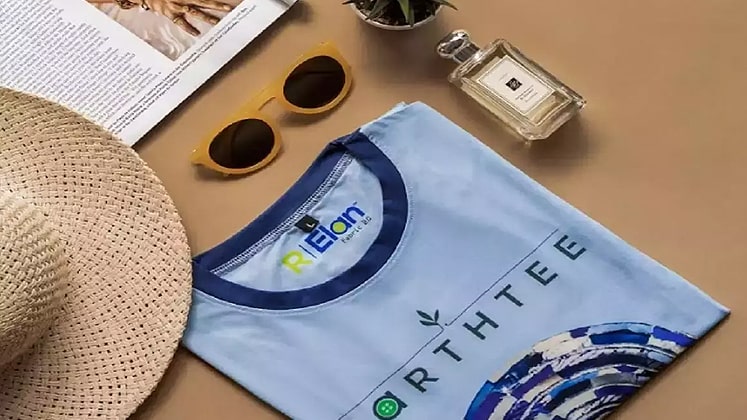
The umbrella brand in RIL’s portfolio, which is dedicated to making eco-friendly fibre made from used plastic, is called R|Elan. The company is already processing 2 billion used PET bottles annually and plans to achieve a target of 6 billion in next 2 years.
The manufacturing process of these clothes uses biofuels and pre-dyed fibres to reduce carbon footprint at every stage and eliminate the water and chemical discharge from wet dyeing.
The strategy is to manufacture co-branded apparels and RIL has already partnered with brands like Arrow, Wrangler, Raymond, Lee, among other international brands.
RIL is selling the sustainable fibre on the basis of attributes that it will provide to the clothing made from it at a price competitive to non-sustainable products with same attributes.
Indian athleisurewear brand Alcis Sports and designer Narendra Kumar have joined hands to launch a collection of sustainable gym and workwear under the label ‘Alcis X Nari’ using R|Elan fibre.
“There is a low recognition among consumers for sustainability,” Kumar said. “Most consumers are yet to understand the magnitude of the environmental issues we face. So we have worked to incorporate elements of fashion but made it functional and affordable. We are telling consumers, don’t wear these clothes to save the world, wear it because it is fashionable and affordable.”
RIL and Kumar are also working on incorporating circular economy into the process by further recycling these products once they have been used by consumers, so that they don’t land up in landfills.




 Bharat Tex Special Report 2026