 Where the past ten years have witnessed an increase in supply of Fast Fashion with seasons changing every six weeks rather than the traditional two seasons per year, the hunger for cheaper pieces, worn once or twice and swiftly dumped, is fast fading. In fact, the recent economy has led people to be more considerate about the way they spend money on clothes, shifting their preferences to either simple wardrobe builders or really special pieces with a lasting appeal and also in line with sustainability where garments should last longer. Retailers realizing the opportunity have started working towards the same…
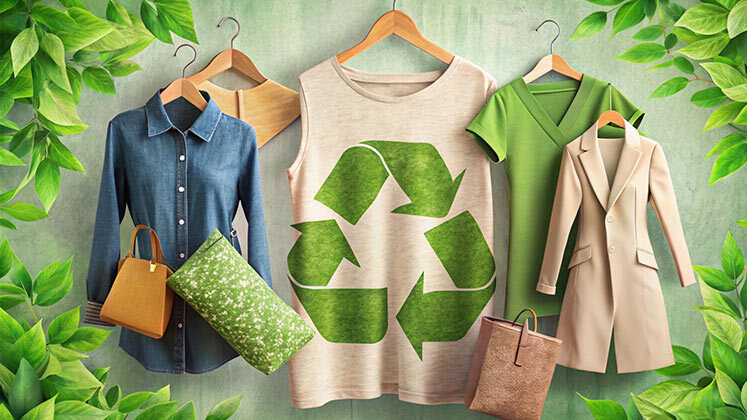
Slow Fashion does not mean the opposite of fast fashion, as there is no dualism that exists in the concept; it’s simply a different approach in which designers, buyers, retailers and consumers are more aware of the impacts of products on workers, communities and ecosystems, and so they manufacture and consume the products accordingly. The movement is steadily gaining momentum throughout the chain and is likely here to stay, encouraging classic designs over passing trends. A number of Slow Fashion designers and apparel retailers are ensuring the longevity of their clothing by sourcing high quality fabrics, offering traditional cuts and creating beautiful, timeless pieces. The concept is interesting for stores because, throughout the season, retailers have the opportunity to store new things in their outlets without having the burden of a huge stock, which is ‘out of fashion’.
As shoppers today are more willing to return to genuine values, the mainstream retailers have identified the potential of the movement and have started responding to it. About 5% of the sales at Marks & Spencer is now from organic or fair trade sources, though the figure is small, but it’s growing at a fast pace. American retailers, including Liz Claiborne Inc, Target and Kohl’s have already turned to climatologists for advice about global warming and what clothes to sell and when. Like a few apparel retailers, American Apparel makes versatile clothes that can be turned into different styles, so one dress can have the look of many dresses, helping them raise both sales and goodwill in the market.
Slow Fashion has struck a chord even among the ranks of the most extravagant fashion brands. New designers from the house of Hermès, Haider Ackermann, and Christophe Lemaire are supporting the Slow Fashion way, spreading the belief that clothes should be made with the finest materials and are meant to be long-loved. Designers such as Tristan Gribbin and Marion McKee have latched onto this market; their SUST label combines organic cotton with chic modernity. New York-based Luke McCann, Timothy Schmidtke and Robert Lido came up with the Japanese phrase ‘Mottainai’, that means ‘what a waste’ for their menswear label with both style and impeccable organic credentials.
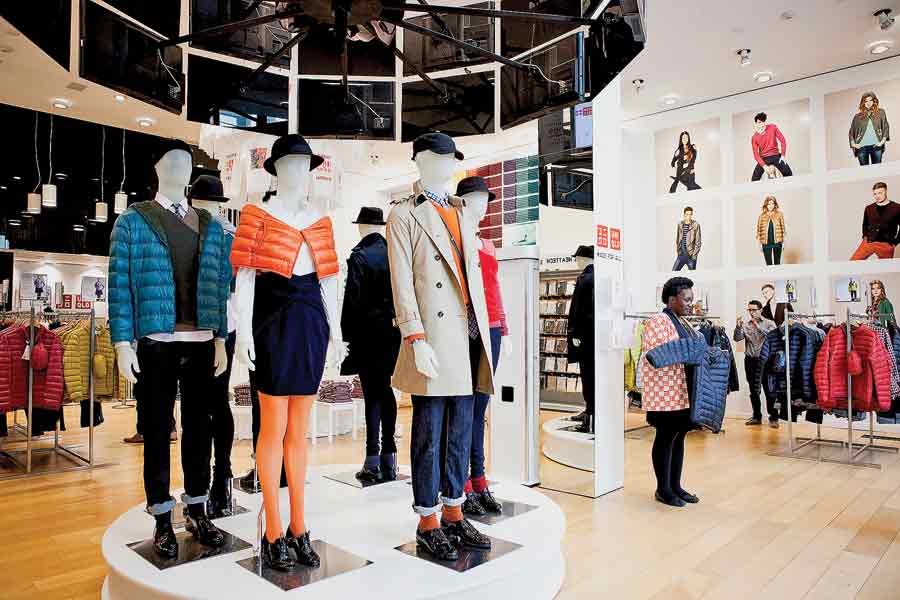
The Scandinavian brand Max Jenny claims to be a true pioneer of ‘Zero Offcut Fashion’, minimizing and making their outerwear of 100% recycled bottles. Goodone is another award-winning sustainable fashion design company based in London selling their collections through some popular retailers such as TOPSHOP. The brand Uniqlo, is also betting on the concept as a winning formula for retail for the coming seasons. The brand believes that though the products from the concept take time to get to market, but they appeal to value-conscious consumers and are not season based.
These companies are successfully producing stylish, quality garments that have a minimum impact on the planet. The businesses that want to follow this concept are trying to create a fine balance between strong fashion expression, durable quality products and profitability at present. Prices for these brands are often higher because they incorporate sustainable resources and fair wages. But, the trend is still making its mark as the consumers are willing to invest in apparel that promises them longevity and quality, two things missing from the fast fashion trends these days. And if the shift survives the next retail boom, there is no shortage of other, much more sustainable, models waiting to satisfy the endless appetite for remodelling retail to meet new demands.