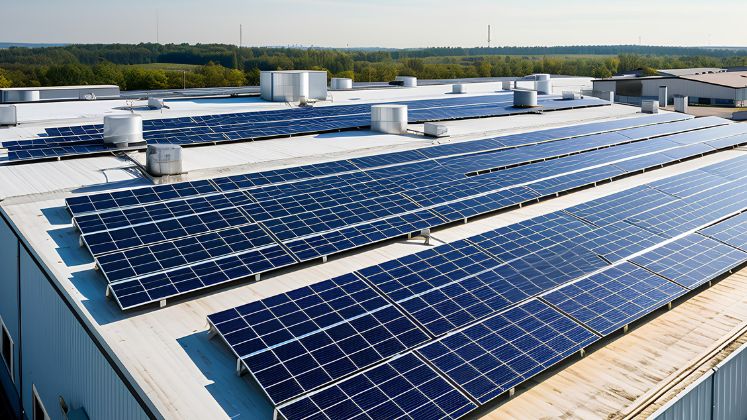
Textile micro, small and medium enterprises (MSMEs) across India are increasingly adopting rooftop solar solutions as they seek to reduce rising electricity costs, improve operational efficiency and strengthen long-term competitiveness, according to Tata Power.
Major textile hubs such as Tirupur, Coimbatore, Surat and Ludhiana depend heavily on uninterrupted electricity to support energy-intensive processes including spinning, weaving, dyeing and finishing. As production volumes increase, power costs account for a substantial share of operating expenses, directly impacting profitability and productivity.
Textile MSMEs can lower electricity expenses by between 30% and 70% through rooftop solar installations, with typical investment payback periods ranging from three to five years. Solar systems can also provide protection against future tariff increases while delivering savings from the first billing cycle.
Despite these advantages, businesses continue to face challenges related to capital expenditure requirements, rooftop infrastructure limitations and system maintenance. The availability of financing options and structured repayment models is helping textile enterprises adopt solar technology without substantial upfront investment.
The company also highlighted the growing deployment of advanced solar technologies such as TOPCon and bifacial modules, which are designed to maximise energy generation while accommodating factory infrastructure constraints.
To address operational challenges in textile manufacturing environments, where dust, lint and humidity are common, solar installations are increasingly incorporating anti-soiling modules, corrosion-resistant structures and preventive maintenance systems.
In addition, hybrid solar systems integrated with battery storage are being deployed to ensure uninterrupted power supply for critical machinery. These systems help reduce dependence on diesel generators while minimising production disruptions.
Beyond cost savings, rooftop solar is supporting textile manufacturers in meeting sustainability objectives. Export-oriented textile companies are facing increasing pressure to comply with environmental standards, sustainability certifications and environmental, social and governance (ESG) requirements set by global buyers and sourcing partners.
Tata Power also pointed to financial benefits including accelerated depreciation provisions, lower taxable income and long-term savings over the lifespan of solar assets, which typically exceed 25 years.






 Bharat Tex Special Report 2026