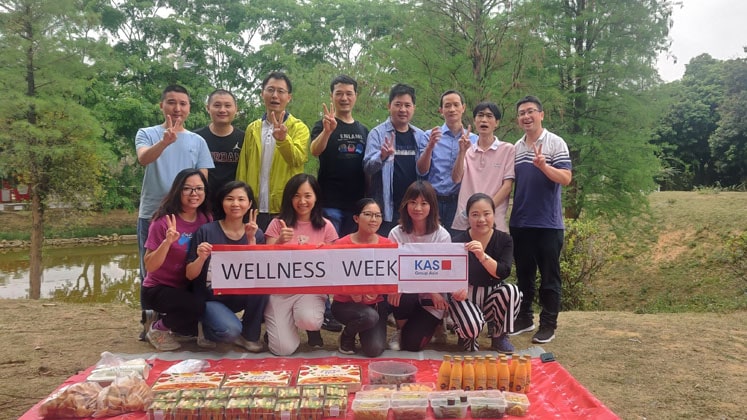
A recent positive psychology research by Howard University has found strong correlation between happiness, health and wellness. The study observes that the end-game for health, wellness and even safety is happiness. For companies across many different industries, a direct relation has emerged between a happy employee and productivity. In fact, there are only 2 ways to improve performance – upskill workers/employees and ensure that they are happy. A lot of work has already been done in the area of training and upskilling and now the focus of increasing number of companies is on overall health, safety and wellness.
In the current scenario when the pandemic has created a negative environment of uncertainty and fear, the importance of mental health is growing. Many consulting companies which were earlier focusing only on training and education have extended their scope to ‘happiness quotient’. Coursera, a leader in the domain, has a course on happiness which is quite popular. Now many organisations are taking the help of external experts for these aspects, while there are some that have created in-house departments and hired full-time trained professionals to guide and monitor their employees on wellness and happiness parameters.
KAS Group Asia (KGA) is also one such a company that has created a full-time role in this regard and appointed Debjyoti Chowdhury, Regional Health, Safety and Wellness Manager, KGA. Debjyoti, who was earlier with Adobe in a similar role, is based out of the Gurgaon office and he’s responsible for all KGA’s sourcing offices in India, Bangladesh, China, Hong Kong, Indonesia. In discussion with Apparel Resources, he throws light on various aspects of health, safety and wellness in the apparel industry and initiatives regarding the same in KGA.

AR: Coming from a totally different industry – what is your overall experience and observations of KAS and the apparel industry in general on issues related to health, safety, and wellness?
Debjyoti: Based on my observations over a short period of time, I think organisations in the apparel industry can come up with a more structured approach in the planning and execution of the targeted objectives in the health, safety and wellness space. There is scope for addressing the mental well-being needs of employees in a more comprehensive manner. The risk categories vary in different industries and these need to be assessed properly and effective control plans should be introduced to guard-rail their implementation for a safer and more secure employee experience.
AR: What is it that you feel you bring to the table in your new role?
Debjyoti: Over the course of the last 13 years, I have managed the health and safety function in complex businesses that are geographically spread over multiple cities and countries. This has helped me with my role in KGA as our business operations are quite complex by virtue of our collaboration with a wide variety of external stakeholders including vendors, suppliers and other business partners. Our sourcing operation is spread across six countries that have diverse cultures and business environment. Within the organisation, through proactive assessment of employee well-being needs, the objective is to have a ready on-board plan in place that is well suited to the needs of our team members. For KGA, I envision an organisation that is fully prepared to meet any crisis or other emerging business risks.

AR: What are the core challenges for you at KAS regarding the Health, Safe and Wellness of employees? Any strategy in place to overcome these challenges?
Debjyoti: One of the challenges that I foresee is to build a culture where employees understand their health and safety responsibilities and imbibe the same in every thought and action. This is now a part of our ongoing culture-building interventions. We have come up with a five-pillar strategy that takes into account Compliance; Risk Management; Crisis Preparedness & Response Strategies; Education & Training; and Employee Well-being to address the key business requirements.
Impacts of Covid is a major area of concern and we have, as an organisation, stood strong and extended support in various forms and measures to our team members helping them sail through this tough period. The key challenges were supporting employees and their families to deal with the impacts of the pandemic, both direct and indirect. We have focused on addressing mental well-being needs, helping create positivity and optimism, supporting employees to achieve work-life balance and time management.
AR: What are the steps you are taking in your new role to achieve goals?
Debjyoti: As the Regional Health, Safety and Wellness Manager, I work very closely with the management team to clearly define the organisation’s vision on health and safety. My focus is to ensure management buy-in and sponsorship for rolling out the key initiatives. Promoting and educating our team members about our vision and the objectives that we have set out to achieve is also high on my list of priorities. For the success of our programs, it is critical that our team members clearly understand their roles and responsibilities and feel empowered to add value in their individual capacities.

Navigating through the Covid pandemic situation has been challenging for everyone. We have been able to help our employees with a variety of support initiatives. Here are some examples:
- Tie-up with professional Employee Assistance Provider (EAP)services that employees can reach out to, for themselves and their family members for stress management, counselling sessions, ordering medicines, health check-ups and doctor consultations.
- Team members have been given access to Covid emergency services, home office set-up allowance, vaccination cost coverage, additional Covid insurance cover, tie-up with healthcare service providers for Covid tests.
- We organise regular webinars and health talks with experts, workshops on mindfulness, motivational speaker sessions and engagement sessions for the children of our team members.
AR: What are your suggestions for professionals in the apparel manufacturing industry to improve health, safety and wellness in their organisations?
Debjyoti: Employee Health, Safety and Wellness should be an integral part of an organisation’s business objectives and goals – after all, people are our most valuable asset. Organisations must see this function as a business enabler as opposed to viewing it as an exercise in compliance to regulations. There is a lot that organisations can do and achieve in this space by just being committed to bring in the change they want to see. These actions will go a long way in creating a safer workplace experience for their employees.
“Investing in health and wellness is a win-win for employers and employees” – Arjun Puri, Director-KAS Group Asia
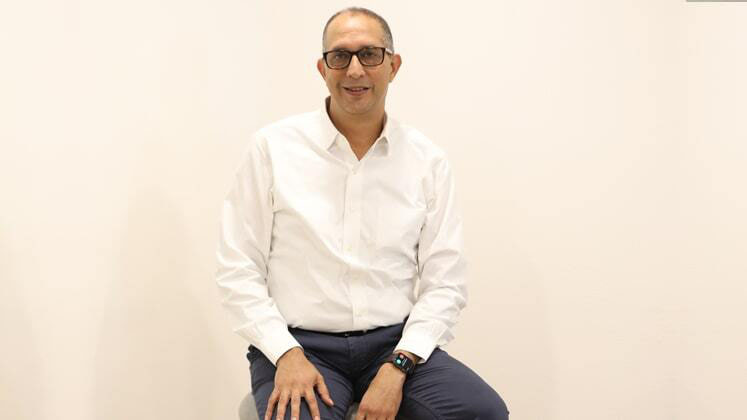
Leading the group from the front is Arjun Puri, Director-KAS Group Asia. Commenting on the thought process behind creating a full-time role of Regional Manager for such a portfolio, Arjun informed that a large part of the reason is related to their parent company Wesfarmers which is a 108-year-old business based in Perth in Western Australia and has its origins as farmer’s co-operative and in industrial businesses such as chemicals, fertilisers where safety is paramount. The company has wellness deeply embedded in their psyche.
Shares Arjun, “In Asia and more broadly across the world, we have always viewed the operating environment in the last decade to be inherently challenging as we either have offices in or travel to locations that are exposed to security concerns. We wanted to adopt a proactive, structured and professional approach when it came to matters around the safety, health and well-being of our employees with clear ownership for developing programs, plans and initiatives and following them up with metrics and measures over time. This will help us to ensure there is continued focus and commitment in this area and we can build a sustainable, scalable plan for the future.”
Arjun believes that investing in this area (health and wellness) is a win-win for both employers and employees. Employees who are physically and mentally healthy are more engaged and feel more safe and secure. This leads them to be happier individuals with an enhanced ability to focus on their personal and professional goals and achieve greater outcomes. It’s is also a great retention tool.
“Today, employees want to work with organisations that are genuinely interested in providing a safe and stress-free working environment. At KGA, we have a young workforce across Asia with a high level of awareness around matters of health, safety and hygiene. We have launched comprehensive programs to address these needs and boost the motivation and morale of our team members. This would not have been possible without having a full-time dedicated subject matter expert as part of our people & capability team,” concludes Arjun.
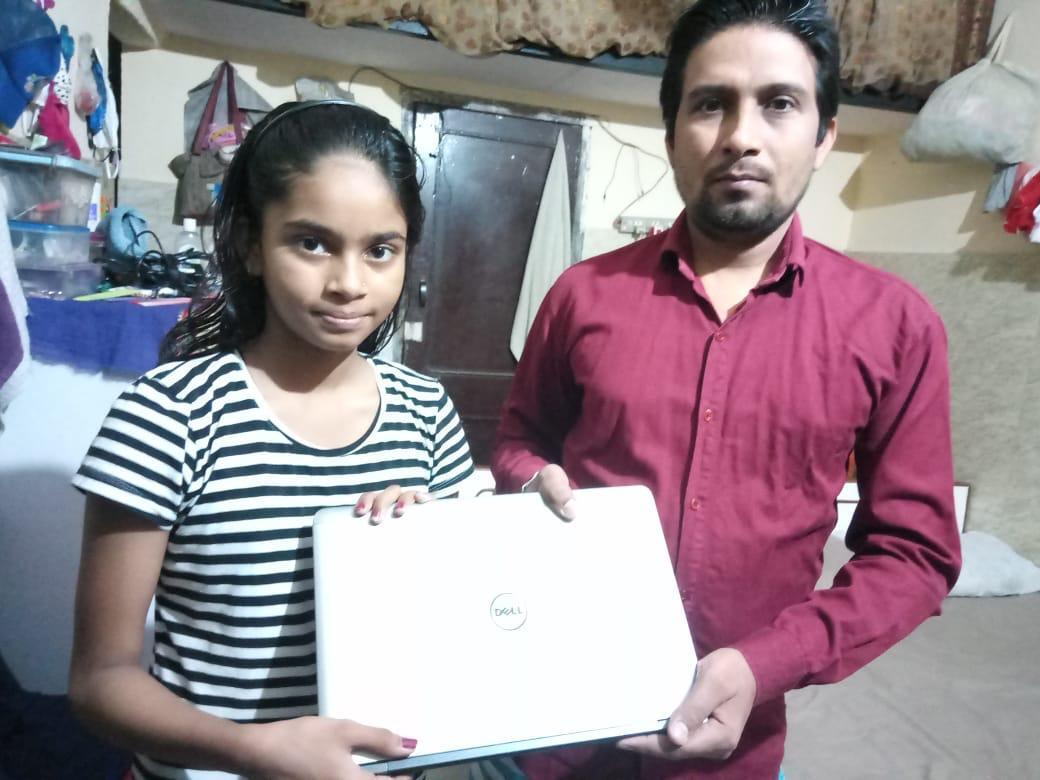
- The KGA office in Gurgaon identified a charity with whom it collaborated to provide comfortable transit to migrant workers from the local community.
- It has also donated laptops to needy and deserving children who come from economically weaker sections within the local community.
- KGA is also associated with Salam Balak Trust (SBT), Kmart and Wesfarmers responded to the call with much-needed donations to help SBT through this crisis. The funds will help expenses relating to medicine, medical equipment like oxygen concentrators and healthcare, food, education, mental health and safe shelter.
- KAS Services team in Bengaluru extended support to United Way, an NGO, by providing oxygen cylinders to government hospitals located in rural areas in Karnataka.
KAS Group Asia’s Sourcing from India for Australia and New Zealand across Kmart and Target clothing categories in the financial year 2021 was around US $ 85 million and including GM categories it was US $ 175 million. The company is expecting that the sourcing across clothing category shall exceed US $ 100 million.






 Bharat Tex Special Report 2026