Gone are the days when the products in the Indian toy industry were dominated by ‘Made in China’ tag. For years, a staggering 70 per cent of toys sold in the country were imported from China, overshadowing the rich history of Indian toy making. However, the landscape has experienced a remarkable transformation in recent times, driven by factors such as increased demand for high-quality toys during and after the pandemic, growing purchasing capacity and a greater understanding of the health benefits associated with playing toys.
The textile and apparel industry is one of the support systems
One crucial support system for the Indian soft toy industry is the textile and apparel industry which plays an important role in the production of these toys by supplying essential materials such as fabric, stuffing and clothing. Moreover, the industry actively creates a diverse range of toys itself, including adorable stuffed animals, dolls and costumes. With the increasing global demand for stuffed animals and plush toys, there is vast potential for the textile and apparel industry to expand its market and make significant contributions to the toy industry.
Besides, the industry has an incredible opportunity in the global market for stuffed animals or plush toys. In 2018, the global market for these toys was valued at an impressive US $7.98 billion and is projected to continue growing at a steady rate of 7.61 per cent from 2019 to 2025.
Recognising the importance of the Indian toy industry, even Prime Minister Narendra Modi highlighted its potential during one of his recent radio programmes Mann Ki Baat. He commented, “Today’s youth are focusing on toy manufacturing in India itself and are contributing towards developing this industry in the country.”
| To promote domestic manufacturing and reduce toy imports, especially from China, the Indian Government has taken certain measures. These include raising import duties on toys from 20 per cent to 70 per cent and introducing a fiscal incentive scheme called PLI for toys. |
Avanti Overseas, one of the early entrants in the Indian toy manufacturing sector, recognises the changing landscape. With a production capacity of 6000 toys per day and with90 per cent of its products produced for the export market, Avanti has also launched its own sustainable toy brand RESPLOOT and has distribution in 10 countries including Scandinavian countries (Finland, Sweden, and Norway), France, Belgium, UK, Italy, Canada, USA and India, while it is in touch with buyers from Japan and Australia as well.
Hamleys – owned by Reliance Retail – is one of the first domestic brands to tie up with Avanti for a toy line, while it is one of the largest suppliers for pet bedding to Heads Up For Tails (HUFT) in India which is a renowned online platform for pets.
Raghav Modi, Managing Director states, “There is a massive diversification drive where customers are looking to have an alternate sourcing place outside of China as the dependency is not something most retailers are comfortable with anymore. The pandemic has actually proved that multi-country sourcing is the only way to remain ahead. We are seeing a large number of buyers approaching us for textile toys, those who probably never thought of sourcing from India but are now willing to give it a go.”
This demonstrates the growing interest and demand for Indian textile toys as retailers seek alternative sources beyond China.
The currentstate of India’s toy industry
According to Government data, the current state of India’s toy industry shows promising signs of growth, as evidenced by the significant increase in toy exports during the April-December period of the current fiscal year which has already reached Rs. 1,017 crore as compared to the exports of Rs.2601 crore reached during the entire fiscal of 2021-22. Union Commerce and Industry Minister Piyush Goyal has acknowledged the success of ‘Made in India’ toys in the global market and highlighted the remarkable growth of toy exports since 2013, which has grown over six times till now.
Yashwinder Kohli,CEO of Dimpy Toys (Jasco Toys) Greater Noida who is into soft toys manufacturing for the last 31 years,serves a wide range of renowned brands both domestically and internationally, including Hamleys, Miniso, Toys R Us, Simba, Fun City, Lulu Group, Baby Shop and many more. Having 100,000 unit capacity per month, his reach extends to the US, Canada, UAE, Indonesia, Vietnam and beyond.
He states, “The scenario has changed. The segment is witnessing a remarkable transformation, such as increased high-value exports to Middle Eastern and African countries.”
He also adds,“As we continue to expand, we are setting our sights on Europe, Australia and Latin America as our next target markets.”

The government’s thrust creates opportunities
The Indian Government’s focus on the toy industry has created new opportunities, resulting in a thriving and sustainable sector. Efforts by various Ministries, including Education, Textiles and Commerce, have prompted the growth of the toy industry in India.
Key initiatives such as the National Toy Action Plan and Toycathon have played a vital role in driving this growth. These initiatives involve students, educational institutions and start-ups, working together to boost the toy industry through collaboration, innovation and creativity.
Textile manufacturers have found a new avenue for expansion by engaging in the production of soft toys. The government’s support for toy manufacturing, along with events like The India Toy Fair-2021, has opened up lucrative opportunities for businesses in the industry.
Both the textile/apparel and toy industries in India prioritise sustainability and eco-friendly practices. They use materials such as wood, lac, palm leaves, bamboo and fabric, ensuring their products are safe for children and contribute to a greener future.
The Toys (Quality Control) Order, implemented in 2020, aims to improve the quality of toys in India. All toys manufactured and sold in the country must have the ISI mark, ensuring superior quality and mandatory product testing is required to ensure child safety.
To boost India’s traditional toy industry, the government has approved the establishment of eight new toy clusters across the country with a combined investment of Rs.2300 crore. These new clusters are located in Madhya Pradesh, Rajasthan, Karnataka, Uttar Pradesh and Tamil Nadu, further promoting regional development and employment opportunities.
In addition to supporting domestic toy manufacturers, the Indian Government has also granted licenses to foreign toy manufacturers from several countries like Hungary, Indonesia, Malaysia, Thailand, Vietnam, Sri Lanka and the Czech Republic to export toys to India. However, no licenses have been granted to toy manufacturers in China, a move that aims to strike a balance and foster healthy competition.

A sustainable approach: The ‘plush’ segment rockets
Sustainability is a key focus for the Indian soft toy industry, with the use of eco-friendly materials for soft toy fillings, providing choices for environmentally conscious customers. Additionally, Indian soft toys are highly attractive in the international market due to competitive pricing enabled by the combination of manufacturing capabilities and cost-effective labour.
Nimish Dave, Founder, The Idea Smith and Director (Operations), Avanti Overseas, Noida (India) – a leading manufacturer of pet toys, kids’ toys and pet beds, states, “The three product categories that are emerging trends are:(1) Made from Natural and Organic fabrics; (2) Made from Recycled fabrics (extracted from PET bottles); (3) And, from Blended fabrics such as jute, blends of cotton and hemp, etc. As of yet, the companies are purchasing recycled yarns from certified suppliers and getting them woven from established weavers in Panipat, but since its scale is exponentially growing, the plans of setting up an in-house recycling unit are already underway.”
Furthermore, there are several sustainable fibre fillings for soft toys, including natural materials such as cotton, wool, down and feathers. These fibres are derived from renewable sources and offer environmental benefits. Examples of sustainable fibres include corn fibre fill, which is hypoallergenic, eco-friendly and derived from natural fibre and bamboo fibre which is soft, antimicrobial and environmental-friendly.
Raj Kumar, CEO, Prince International Soft Toys based out of Delhi with a capacity of 30,000 soft toys per month and producing stuff toys especially in the animal segment agrees and states, “Sustainability is a core focus of the soft toy industry in India now. Manufacturers actively employ natural and eco-friendly materials for soft toy fillings, catering to environmentally conscious consumers. The industry offers a range of options for those who prioritise sustainability, such as soft toys made from natural and organic fabrics, recycled fabrics (derived from PET bottles) and cotton blends and we are slowly shifting towards this trend.”
He further adds that even though the market demand is slow for now, he is hopeful that by the end of this year, his company would be able to cater to the sustainable segment.
| Handmade and ecofriendly Amigurumi toys are finding lots of happy homes. These crocheted and stuffed toys are loved by customers who want to give children something special that can take them away from screens. Amigurumi, a Japanese art of making small stuffed toys with crochet or knitting, is becoming popular among people who want to find gifts that will help kids spend less time on screens. |
Emerging trends creating further opportunities
The toy market in India presents a dynamic and evolving scenario, with various players catering to different segments. For instance, Funskool India Ltd., is a prominent name in the industry, with manufacturing facilities spread across the country, including Corlim in Goa and two factories in Ranipet, Chennai. With a workforce of 1,000 employees, Funskool caters to both domestic and international markets.
The emergence of Reliance Brands Ltd., as a major player in the toy industry is worth noting, as it has acquired stakes in toy manufacturing businesses and formed joint ventures to strengthen its distribution network. Hamleys, owned by Reliance Retail Ventures Ltd., has capitalised on India’s growing population, particularly the large number of children under the age of 11.
However, the Indian toy market remains largely unorganised, making it challenging to estimate its size accurately. In this landscape, other players like Mirada, Toycra, Fun Zoo Toys and Ultra Soft Toys have also made their mark. These companies offer a diverse range of stuff toys.
They employ various strategies such as brand collaborations, exclusive distribution rights for international brands and customisation options to stand out in the market. Additionally, companies like Fun Zoo Toys and Ultra Soft Toys prioritise sustainability by using non-toxic and organic materials in their products. With their presence in both physical retail stores and popular online portals like Flipkart, First Cry and Amazon, these manufacturers are reaching a wide audience and contributing to the growth of the toy market in India.
Furthermore, there are several important trends shaping the market. One important trend is the growing popularity of licensed plush toys featuring popular characters from movies, cartoons and series (TV). Another trend is the growing demand for ecological toys, driven by environmental awareness. Consumers now prefer plush toys made of sustainable materials that are non-toxic and biodegradable.
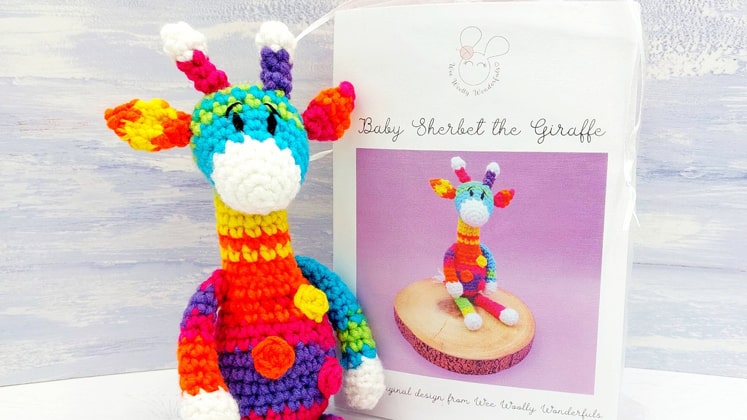
Amigurumi is a trend of handmade crochet toys which is slowly picking up. Brands like Plumtales by Kuhu Enterprises and many such artists on Instagram are encouraging local artisans for their livelihood via toys. These toys are handcrafted by women artisans in India, ensuring a good livelihood for them and their families. They are safe, chemical-free, purposeful and eco-friendly.
“In addition to these emerging trends, there are several untapped segments in the Indian soft toys industry. Collectible soft toys have gained popularity among enthusiasts and collectors, offering limited editions and series that encourage completion and trading. Therapy and comfort soft toys, designed to provide emotional support and solace, could cater to a niche market,” adds Yashwinder Kohli.




 Bharat Tex Special Report 2026