With technology at the forefront, Suraaj Linens, Mumbai has quickly adapted to the ever changing demands of the textile industry making it amongst the leading Indian manufacturers of Home textile products since 1996. During the last two years, the company has heavily focused on product development and design, incorporating the latest in international home textile trends. In conversation with Apparel Online, Rajesh Jain, Chairman and Varun Jain, Director, Suraaj Linens talk about the company’s growing business and the rising need for product innovation amidst fierce competition.
Creating a niche in an industry where differentiation could be the determinant of success, Suraaj Linens regularly launches new product lines in sync with international trends, the latest being multiple processes such as surface finishes through new dot-film foil printing, digital printing and recycled cotton. Amongst the many popular trends in the market today, the most outstanding trend for this year is digital printing, which is largely in demand for home furnishing products and is being increasingly incorporated by Suraaj Linens in their products. “In the past, digital printing speeds were very low and costs very high; however, it has reached a stage where we’re now getting high resolution prints at faster speeds. Even though it isn’t an innovation, digital printing reaching this stage has been the most important development, because it moves the category from niche to a main stream process,” says Rajesh.
Today, much emphasis in being given to digital printing and the industry estimates that in future, the application of the technique will grow rapidly in the home segment. According to the global report on textile printing, released by a leading US-based Global Industry Analyst Inc., the global production of printed textiles is projected to reach 32 billion sq. metres by 2015 due to the widespread acceptance of digital printing and technological improvements in ink and consumables, print heads and printing machinery. “Digital printing provides solution to customer needs such as smaller lot sizes, high number of colours, photorealistic prints and rapid sampling. These are the reasons we’ve invested in digital printing. It also opens up our design teams to a whole new range of designs that were just never possible before,” adds Varun. Employing digital printing for bold and colourful designs, the company acknowledges that digital printing is much more expensive than screen printing, but buyers looking for precision printing are willing to pay the price.

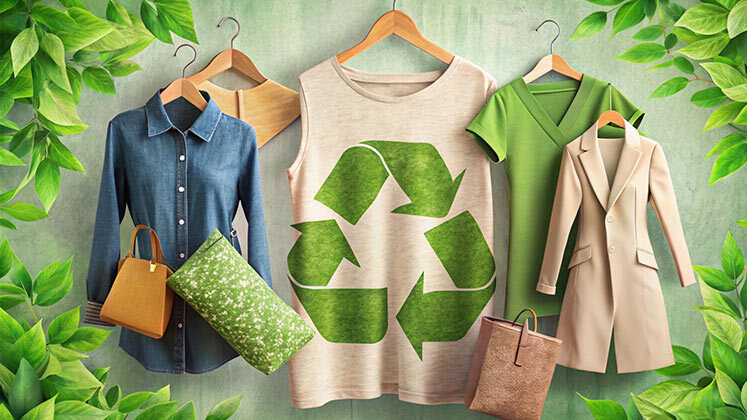
Apart from digital printing, the company has also developed a new range of recycled cotton products, venturing into the eco-friendly segment, claiming to source responsibly, while offering their clients value proposition. “Recycled cotton has the least effect on the environment, even better than organic, because there is no new creation of cotton or dyeing required. Further, with our innovations, we’re able to offer recycled cotton products very competitively. We view this as an important point because higher costs have been one of the stumbling areas for the uptake of organic cotton,” asserts Rajesh. The company also manufactures GOTS-certified cotton products for its clients whenever required. As a global player, the company is vigilant on all aspects that are important to buyers such as compliance and quality. “We’ve ensured that we are ahead of the curve when it comes to compliance and quality, even before the insistence from the clients. Our factory has ISO (process), BSCI (social) and OEKO-TEX (chemical restriction) certifications,” claims Varun.
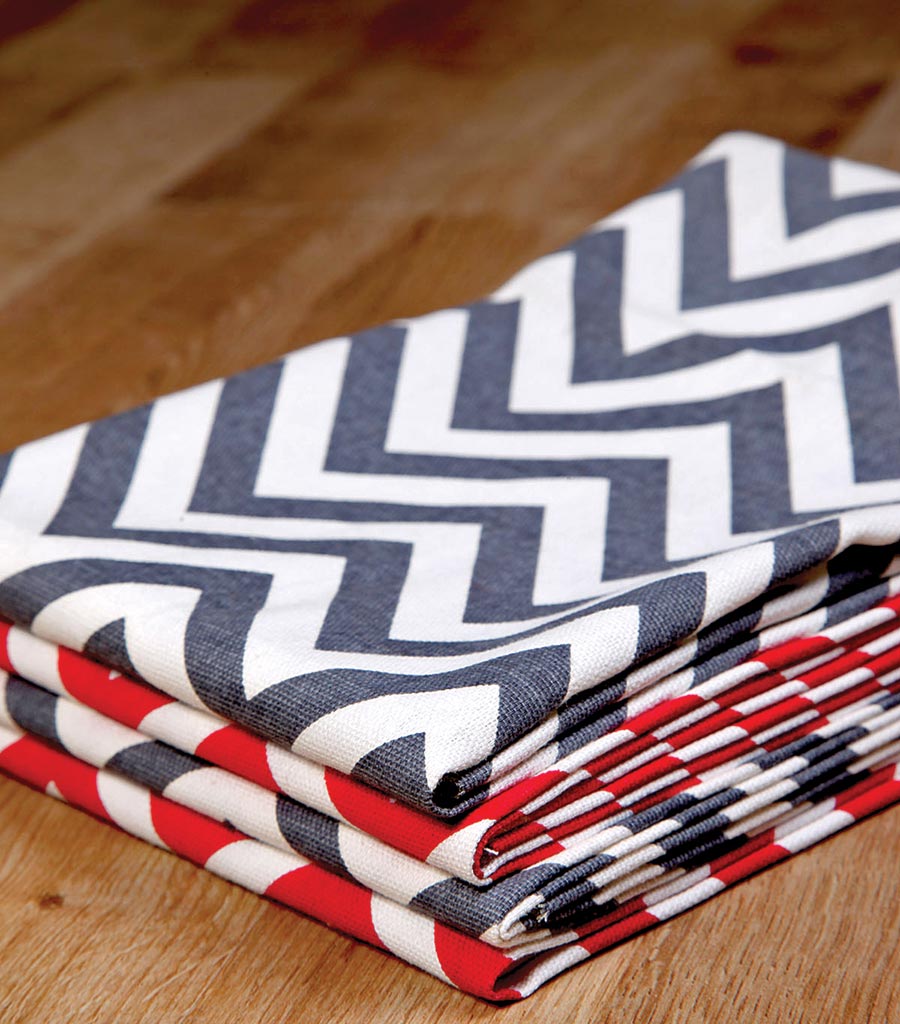
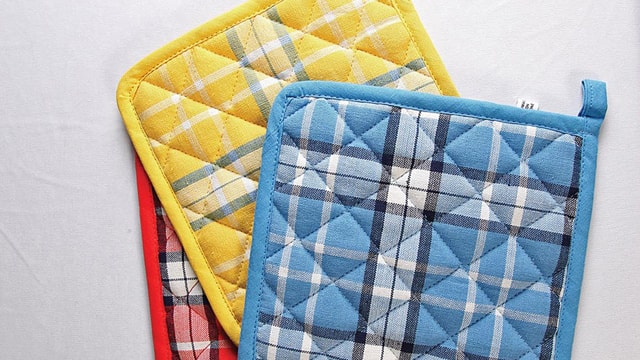
Catering to markets in Europe like Netherlands, Germany and UK, besides having buyers in USA and Australia, the company manufactures table linens, kitchen linens, cushion covers and chairpads, out of which table linens and cushions are its biggest product category. “Within all these categories we focus on a lot of product innovation – for the kitchen items we also focus on functionally improving the product with emphasis on better absorbency, heat resistance, stain resistance, etc. For the decorative items, like table and cushions, we focus on giving value-through diverse materials and techniques like polyester-based products, different surface finishes or digital printing,” informs Rajesh. Lately, the company has also introduced product techniques such as fabric blends, deep embossing, dewdrop printing, etc. Expanding its product offerings, the company has also introduced poufs and throws which are trending internationally.
Finding success in printed home collections, Suraaj Linens is now experimenting with a range of embroidered products that are made by artisans in Maharashtra and Gujarat. “Over the past couple of years, we have focused very strongly on developing our range of printed products – we are now experts at both all-over and panel designs, which we also feel is very popular internationally,” notifies Varun. The company mainly uses fabrics such as cotton, polyester (in different qualities including faux suede/silk), linen and many different blends, working through a network of experts to source the latest fabrics from places such as Surat and Panipat for its products. Strongly focusing on product development, the company has a PD team in Mumbai which coordinates with international team of designers from Europe and the US. “Approximately 50% of the products that we manufacture are based on our designs and techniques, while the remaining comes from the buyers,” adds Varun.
Giving further impetus to their value-based business is the favourable international scenario resulting in a surging YOY business. “We’ve noticed that we’ve been getting a lot of interest for our new product innovations, rather than the standard products that the industry has been churning out for years,” continues Varun. A legacy that dates back to 1978 coupled with a strong focus on product development is what takes Suraaj Linens a notch higher above its competition. “Many of our customers work with us year after year because we act more like a partner rather than a manufacturer. Our deep understanding of fabrics and textile processes allows us to offer solutions to the client’s problems. They look to us to make suggestions – whether that’s tweaking a product to fit into a specific price point or improving the product across some functional parameters,” concludes Rajesh.